
Electrical Conduit in Corrosive Environments: How to Choose Materials for Reliable, Long-Lasting Performance
Categories:PVC Pipe and Fitting Author: author
Corrosion remains one of the most expensive and disruptive challenges in electrical infrastructure projects. Whether the conduit runs underground through aggressive soils, along coastal routes exposed to salt air, or through industrial zones with chemical exposure, the wrong material choice can lead to premature failure, costly repairs, and unplanned downtime. In real-world installations, contractors and engineers frequently encounter situations where initial material savings turn into major expenses five or ten years later.
The good news is that modern conduit materials offer dramatically different levels of protection against corrosion. Understanding how each option performs under specific site conditions allows project teams to make decisions that protect both the electrical system and the overall project budget. This guide examines the mechanisms behind conduit corrosion, compares leading material options, and provides practical criteria for selection on demanding sites.
How Corrosion Actually Damages Conduit Systems
Corrosion in conduit systems rarely happens overnight. It develops through a combination of electrochemical reactions, chemical attack, and physical stress that varies dramatically depending on the environment. For metal conduits such as EMT and IMC, the primary threat is oxidation and galvanic corrosion once protective zinc or other coatings are breached by installation damage, vibration, or long-term exposure to moisture and electrolytes in soil or concrete.
Stray electrical currents from nearby high-voltage lines, rail systems, or even grounding issues can accelerate metal loss significantly. In coastal or de-icing salt areas, chloride ions penetrate coatings and create pitting that spreads under the surface. What starts as a small scratch during pulling can become a through-wall penetration within a few years in aggressive soils.
Plastic conduits face different but equally important risks. While PVC and HDPE do not rust like steel, certain environments can still degrade them. Strong oxidizing agents, some industrial solvents, and prolonged UV exposure (for above-ground runs) can cause embrittlement or cracking over extended periods. The key difference is that high-quality HDPE maintains excellent resistance across a very wide pH range and most common soil contaminants, which is why it often becomes the default choice for buried runs in challenging locations.
Material Comparison: Performance in Corrosive Conditions
Choosing between conduit types requires looking beyond initial cost and wall thickness. Real performance depends on how each material interacts with the specific chemistry and physical conditions at the site. Below is a practical comparison based on field experience across commercial, industrial, and utility projects.
|
Material |
Corrosion Resistance |
Best Suited Environments |
Key Limitations in Corrosive Sites |
|
EMT / IMC (Galvanized) |
Moderate (coating dependent) |
Dry indoor, protected outdoor, low-chemical areas |
Coating damage during install leads to rapid rust; poor in acidic or chloride soils |
|
PVC (SCH 40/80) |
High chemical resistance |
Most buried runs, moderate chemical exposure, general construction |
Rigid; can become brittle in extreme cold or certain solvent exposure; UV sensitive above ground |
|
HDPE Electrical Conduit |
Excellent across wide pH & chemical range |
Underground in aggressive soils, coastal, industrial chemical zones, long directional drills |
Higher initial cost than basic PVC; requires fusion or specific fittings for transitions |
In practice, the standout performer for most buried applications in corrosive or variable soils is HDPE. Its combination of flexibility, impact resistance, and near-immunity to electrochemical corrosion gives it a clear advantage where metal would eventually fail and where rigid PVC might require more joints or special protection.
Site Assessment Checklist Before Material Selection
No single conduit material wins in every situation. Smart selection starts with honest evaluation of the actual conditions the run will face over its intended service life, typically 30 to 50 years for modern infrastructure.
- Soil chemistry testing: Measure pH, resistivity, sulfate and chloride content. Low resistivity soils (under 1000 ohm-cm) combined with moisture dramatically increase corrosion rates on any metal components.
- Stray current survey: Near rail lines, substations, or cathodic protection systems on other pipelines, induced currents can accelerate metal loss even when coatings are intact.
- Above versus below ground exposure: UV-stabilized HDPE or coated metal performs better for any sections that will see sunlight. Standard PVC can chalk and become brittle outdoors.
- Chemical exposure inventory: Document nearby industrial processes, fertilizers, de-icing salts, or fuel storage that could leak into the trench area over time.
- Installation method constraints: Directional drilling or pipe bursting favors flexible HDPE. Open trench with many direction changes may suit rigid PVC or metal with appropriate fittings.
Many project teams now include a brief corrosion risk assessment as part of the pre-bid package. The small upfront cost of soil testing and review often prevents expensive change orders or early replacement later.
Installation Practices That Protect Against Corrosion
Even the best material can underperform if installation shortcuts compromise its protective qualities. Field crews that understand the corrosion mechanisms tend to deliver longer-lasting results.
Bedding and Backfill
Sharp rocks or construction debris in direct contact with conduit create stress risers and coating damage points. A minimum 4-6 inch layer of screened sand or fine granular material around the pipe, followed by proper compaction, dramatically reduces physical damage that later becomes corrosion initiation sites. In rocky native soils, importing suitable bedding material is inexpensive insurance.
Joint Integrity and Sealing
Water and electrolytes that enter through poorly sealed joints accelerate internal corrosion or allow contaminants to reach cable jackets. For HDPE, heat fusion or approved mechanical fittings create continuous, leak-resistant pathways. For PVC, solvent cement applied correctly with proper curing time prevents the most common failure mode. Metal conduit threads and couplings benefit from corrosion-inhibiting compounds in aggressive environments.
Transition and Expansion Management
Different materials expand and contract at different rates. Rigid PVC and metal require expansion fittings or loops at calculated intervals, especially in long runs or where temperature swings are large. HDPE's inherent flexibility accommodates moderate movement without special fittings, reducing potential leak or stress points. Planning these details during design prevents field problems and maintains the corrosion barrier integrity.
When HDPE Electrical Conduit Delivers the Best Value
Across dozens of utility, data center, transportation, and industrial projects, HDPE consistently shows the lowest total cost of ownership in environments where corrosion risk is moderate to high. Its ability to be installed in long continuous lengths via fusion or coiling reduces the number of joints, which are the most vulnerable points in any conduit system. The material's toughness also means fewer repairs from installation damage or ground movement.
For coastal projects, sites with known acidic or sulfate-rich soils, or installations near chemical processing, the performance gap versus metal becomes especially clear within the first decade. Even compared with PVC, HDPE often wins on projects that involve directional drilling, significant ground settlement risk, or where future cable upgrades may require pulling through the same pathway years later.
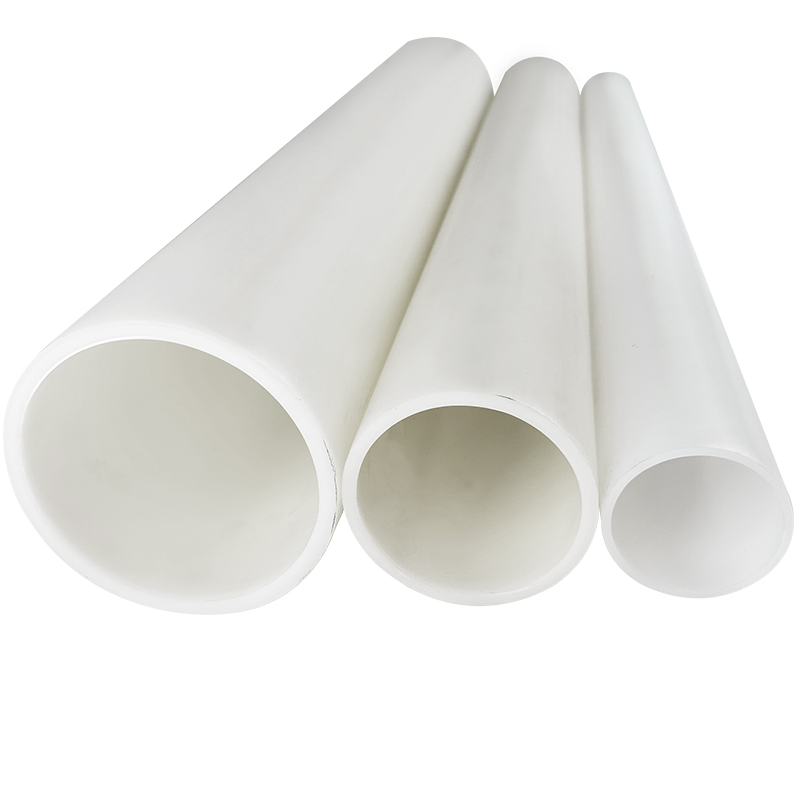
When your specifications call for maximum corrosion resistance combined with long-term flexibility and minimal maintenance, ULPIPES HDPE Electrical Conduit stands out as a proven solution. Manufactured to meet ASTM, ISO, and other international standards, these conduits are engineered for the real conditions found on infrastructure projects worldwide. You can review full specifications and available sizes on the
ULPIPES HDPE Electrical Conduit product page. We also supports OEM/ODM customization for color, marking, and packaging to match project requirements.
Making the Right Choice for Your Next Project
Corrosion protection in electrical conduit is not a one-size-fits-all decision. It requires matching material properties to the specific chemical, physical, and installation realities of each run. Metal conduits with intact coatings still serve well in controlled indoor environments. PVC offers an economical, rigid option for many standard buried applications. HDPE provides the broadest protection profile for aggressive soils, long runs, and installations where future flexibility or minimal joints deliver measurable lifecycle advantages.
The projects that experience the fewest problems five and ten years after commissioning are those where the design team took time to understand the corrosion risks upfront and selected materials accordingly. Whether your next installation faces coastal salt, industrial chemicals, or simply variable native soils, investing in the right conduit material and proper installation practices pays dividends in reliability and reduced total ownership cost. Partnering with a manufacturer that understands these nuances and offers tested, standards-compliant solutions helps ensure the electrical pathway remains protected for the full intended service life of the infrastructure.