
PPR vs. UPVC for Commercial Water Supply: Key Differences in 2026
Categories:PPR Water Plumbing System Author: author
As construction standards evolve in 2026, selecting the right material for a commercial water supply system is more complex and critical than ever. Engineering managers and procurement officers are constantly evaluating materials to ensure long-term reliability, safety, and cost-effectiveness. Among the most frequently compared materials for fluid transport in commercial buildings are Polypropylene Random Copolymer (PPR) and Unplasticized Polyvinyl Chloride (UPVC).
Understanding the specific characteristics of these two piping series is essential for making an informed decision. This guide provides an objective comparison of PPR and UPVC and highlights the best application scenarios for modern infrastructure.
Core Differences Between PPR and UPVC
While both PPR and UPVC are highly regarded in the construction industry, they serve different primary functions based on their chemical and physical properties.
PPR vs. UPVC for Commercial Water Supply
Heat Resistance
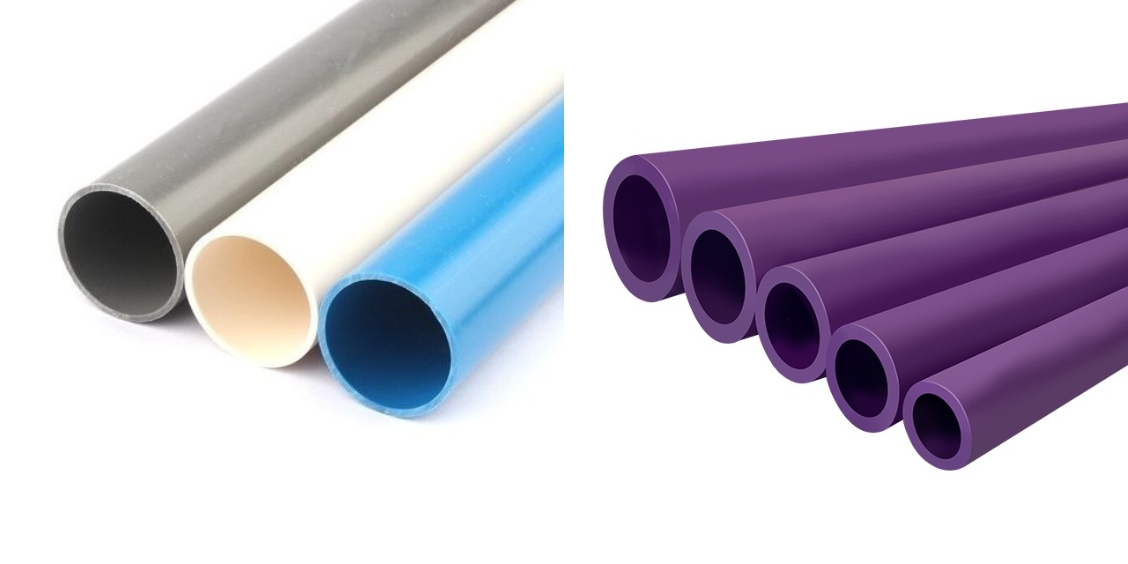
The most significant difference lies in temperature tolerance. PPR pipes are manufactured from high-quality Polypropylene Random Copolymer, making them an ideal choice for hot and cold water distribution. They maintain structural integrity even under temperature fluctuations, offering excellent heat resistance. Conversely, UPVC is traditionally designed for cold water supply and drainage applications, as it may deform or weaken when exposed to high-temperature fluids over extended periods.
Pressure & Corrosion Resistance
In commercial environments, water systems must endure continuous stress. The PPR piping series offers outstanding pressure durability and corrosion resistance. This ensures an efficient, hygienic, and long-lasting water treatment solution. UPVC also provides strong corrosion resistance against many chemicals, which makes it suitable for industrial water and drainage, but PPR often holds a distinct advantage in high-pressure hot water distribution networks.
Installation Methods
Installation efficiency impacts project timelines. PPR utilizes heat fusion technology, which melts the pipe and fitting together to create a seamless, leak-proof joint. UPVC typically relies on solvent cement (glue) or mechanical joints. While UPVC installation can be rapid, the heat fusion process of PPR provides a unified structure that minimizes the risk of joint failure in complex commercial networks.
Quick Comparison Table
|
Feature |
PPR (Polypropylene Random Copolymer) |
UPVC (Unplasticized Polyvinyl Chloride) |
|
Primary Use |
Hot and cold water distribution |
Cold water supply and drainage |
|
Heat Resistance |
Excellent (Suitable for hot water) |
Limited (Generally for cold water) |
|
Installation |
Heat fusion (seamless joints) |
Solvent cement / Mechanical joints |
|
Corrosion Resistance |
Excellent |
Excellent |
|
System Longevity |
Long-lasting and hygienic |
Long-lasting |
Best Scenarios for PPR Piping Series
Because of its superior temperature and pressure handling capabilities, the PPR water plumbing system is highly recommended for environments with strict water quality and frequent cold/hot water switching demands.
The PPR conventional domestic water systems and PPR home decoration water systems are widely used in home renovation plumbing, new building water networks, and eco-friendly indoor installations. For commercial projects, PPR is exceptionally suitable for residential buildings, apartments, hotels, schools, and healthcare facilities. Healthcare facilities and hotels, in particular, benefit from the hygienic nature of PPR, which prevents contamination and ensures safe drinking water delivery over the long term.
Why Choose a One-Stop Pipeline Manufacturer?
Commercial projects often require different piping materials for different zones—for instance, PPR for hot water distribution and UPVC for drainage or electrical conduits. Instead of sourcing from multiple factories, contractors benefit significantly from partnering with a complete one-stop pipeline and accessory manufacturer.
ULP is a trusted PPR pipe manufacturer offering a comprehensive product portfolio. The product lineup includes U-PVC, C-PVC, HDPE, PPR, EMT/IMC, M-PVC, O-PVC, and UH-PVC related pipes and fittings. Whether a project requires a UPVC Water Plumbing System or a PPR Water Plumbing System, ULP pipelines provide you with more satisfactory services, including OEM/ODM production, One-Stop-Supplying, strong Production-Capacity, and complete Shipping-Support.
To meet the rigorous demands of global engineering projects, product compliance is non-negotiable. ULP ensures that national and international standards cover SCH40, GB, AS61386, ASTM, TIS, and IEC61386. By selecting a globally compliant manufacturer, engineering managers can streamline procurement and build future-ready, sustainable piping networks with peace of mind.
Conclusion
Choosing between PPR and UPVC depends entirely on the specific requirements of the commercial water supply project. For hot and cold water distribution requiring high hygiene standards, PPR remains the optimal choice. For global buyers seeking reliable quality and streamlined supply chains, working with a comprehensive OEM/ODM pipe solutions provider ensures project success.
For professional project evaluation and customized pipe solutions, contact ULP at ryanwong@ulpipes.com.
Frequently Asked Questions
Q1: Is PPR better than UPVC for commercial water supply?
A: It depends on the application. PPR is the ideal choice for hot and cold water distribution due to its excellent heat resistance and pressure durability. UPVC is generally preferred for cold water supply, drainage, and electrical conduits.
Q2: What materials are used in the ULP PPR water plumbing system?
A: The pipes and fittings are made from high-quality Polypropylene Random Copolymer (PPR).
Q3: Can ULP supply both PPR and UPVC for large projects?
A: Yes. ULP is a complete one-stop pipeline and accessory manufacturer, providing UPVC, PPR, HDPE, EMT/IMC, and other related pipes and fittings.
Q4: What certifications do ULP piping products meet?
A: ULP products comply with various international and national standards, including SCH40, GB, AS61386, ASTM, TIS, and IEC61386.