
The Pros and Cons of Polypropylene Random Copolymer (PPR) Pipes
Categories:PPR Water Plumbing System Author: author
For B2B buyers, engineering managers, and procurement officers, conducting a thorough feasibility report is an essential step before selecting materials for large-scale plumbing networks. When evaluating materials for fluid transport, Polypropylene Random Copolymer (PPR) often emerges as a leading candidate. To help procurement teams make informed decisions, this guide provides an objective analysis of the major advantages and potential drawbacks of PPR pipes, along with practical solutions for modern construction projects.
The Major Pros of PPR Pipes
The widespread adoption of PPR in the construction industry is driven by its exceptional material properties, making it a reliable choice for diverse plumbing needs.
Exceptional Durability and Resistance
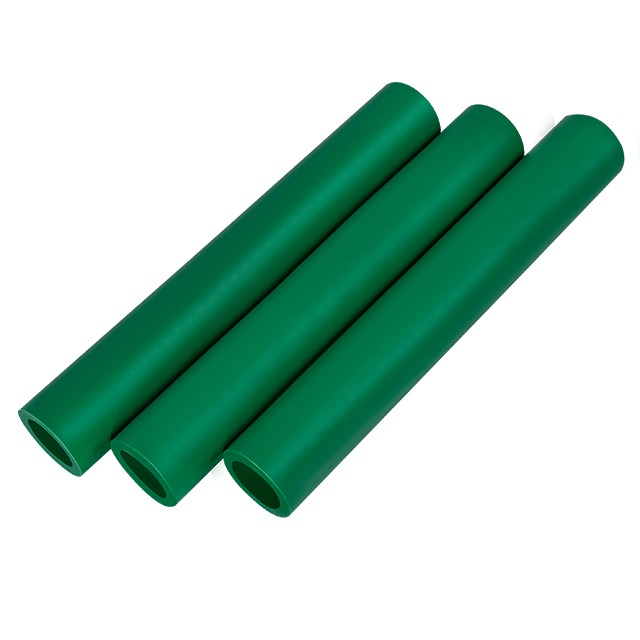
The core advantage of this material lies in its physical resilience. Made from high-quality Polypropylene Random Copolymer (PPR), these pipes and fittings are ideal for hot and cold water distribution, offering excellent heat resistance, pressure durability, and corrosion resistance. Unlike traditional metal pipes that can corrode over time, PPR maintains a smooth interior, which helps prevent blockages and extends the lifespan of the plumbing network.
High Hygiene Standards for Safe Water
For commercial and residential buildings, water quality is a top priority. The PPR water plumbing system offers a complete solution for both domestic and commercial water supply applications. Our PPR piping series includes PPR conventional domestic water systems and PPR home decoration water systems, providing efficient, hygienic, and long-lasting solutions for residential buildings, apartments, hotels, schools, and healthcare facilities. This level of hygiene ensures that the water remains safe for end-users without the risk of heavy metal contamination.
Versatile Application Scenarios
The adaptability of PPR allows it to be utilized across various environments. Our PPR systems are widely used in home renovation plumbing, new building water networks, and eco-friendly indoor installations.
The Cons of PPR Pipes (and How to Overcome Them)
While Polypropylene Random Copolymer offers numerous benefits, it is important to objectively consider its installation requirements.
Installation Requires Specialized Tools and Expertise
A potential drawback of PPR pipes is the installation process. Unlike some plastic pipes that use simple glue or mechanical joints, connecting PPR requires specialized heat fusion tools and techniques. This process demands a certain level of skill from construction personnel to ensure the pipe and fitting melt together seamlessly. If improperly fused, the joints could become weak points.
The Solution: Partnering with a Reliable Manufacturer
The most effective way to overcome the installation learning curve is to source materials from a supportive and experienced manufacturer. Choose ULP as your trusted PPR pipe and fitting supplier, and benefit from reliable water delivery systems, professional technical support, and global service capabilities.
ULP pipelines provide you with more satisfactory services, including One-Stop-Supplying and Shipping-Support. By providing professional technical support, ULP helps construction teams minimize installation errors. Furthermore, ULP is a trusted PPR pipe manufacturer, with global compliance including CE, TUV, SGS, and ETL standards. To meet diverse regional engineering requirements, national standards cover SCH40, GB, AS61386, ASTM, TIS, and IEC61386.
With advanced production lines and strict quality control, we support OEM/ODM and customized pipe solutions tailored to international standards. This ensures that even if the installation process requires specific care, the high quality of the materials themselves mitigates the risk of failure.
Quick Summary: PPR Pros and Cons
|
Aspect |
Description |
Project Impact |
|
Pros |
Made from high-quality Polypropylene Random Copolymer (PPR). |
Ensures long-lasting, hygienic water distribution. |
|
Pros |
Excellent heat resistance, pressure durability, and corrosion resistance. |
Ideal for demanding commercial and residential environments. |
|
Cons |
Requires professional heat fusion tools for installation. |
Demands skilled labor; overcome by using a supplier offering technical support. |
|
Solution |
Professional technical support and global service capabilities from ULP. |
Reduces installation errors and ensures network stability. |
Conclusion
Every piping material has its specific requirements, and Polypropylene Random Copolymer is no exception. While the installation of PPR requires specialized heat fusion techniques, the long-term return on investment makes it highly worthwhile. By providing efficient, hygienic, and long-lasting solutions, PPR helps maintain safety and efficiency in commercial and residential networks. We help you build future-ready, sustainable piping networks with peace of mind. For comprehensive OEM/ODM pipe solutions or to receive professional project support, welcome your inquiry at ryanwong@ulpipes.com.
Frequently Asked Questions
Q1: What are the main benefits of using PPR pipes?
A: Made from high-quality Polypropylene Random Copolymer (PPR), these pipes and fittings are ideal for hot and cold water distribution, offering excellent heat resistance, pressure durability, and corrosion resistance.
Q2: Are there any disadvantages to using PPR pipes?
A: The primary consideration is that installing PPR pipes requires specialized heat fusion tools and skilled personnel. However, working with a trusted PPR pipe and fitting supplier that offers professional technical support can easily address this challenge.
Q3: Does ULP provide OEM/ODM services for global projects?
A: Yes. With advanced production lines and strict quality control, we support OEM/ODM and customized pipe solutions tailored to international standards.
Q4: What certifications do ULP PPR pipes meet?
A: ULP has global compliance including CE, TUV, SGS, and ETL standards. Additionally, national standards cover SCH40, GB, AS61386, ASTM, TIS, and IEC61386.