
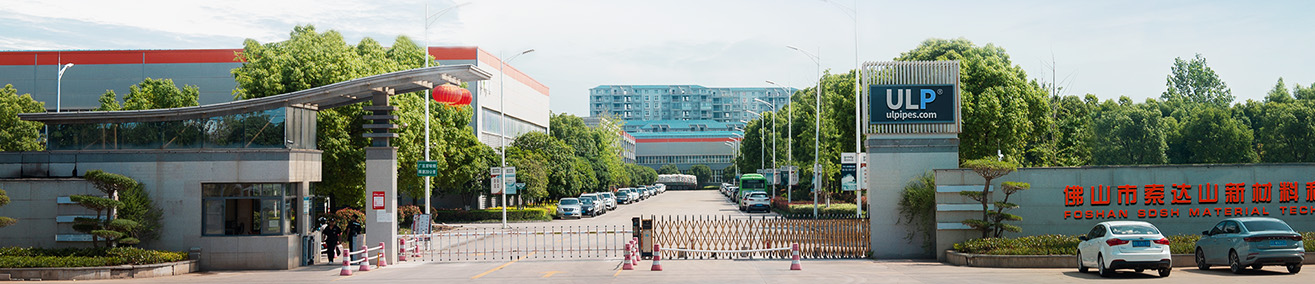
Top 3 Water Plumbing Systems: PVC, HDPE and PPR
Categories:PVC Pipe and Fitting Author: author
When contractors or project owners look at pipes and fittings, they think about something much larger: how long the system will last, how safe the water will remain, and how easy it will be to install and maintain. From private homes to industrial facilities and city networks, every project has its own demands. That is why material selection matters.
Among many options, 3 categories stand out: PVC Series, HDPE, and PPR water plumbing systems. Each has strengths that make it suitable for different project conditions. Understanding those strengths will help you make smarter decisions and avoid costly mistakes later.
PVC Series Water Plumbing Systems - A Reliable Standard for Everyday Use
PVC has been used for decades, and it remains one of the most practical pipe materials today. The key reason is balance: PVC combines durability, low cost, good flow performance, and corrosion resistance. But PVC is not one single product. ULP offers several types designed for different applications:
● PVC-UH (Ultra High Molecular PVC)
This variety allows installers, engineers, and distributors to choose exactly the performance level they need.
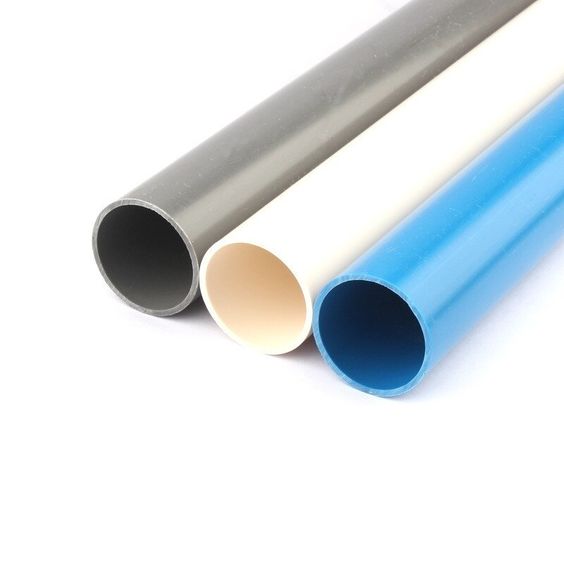
PVC-U Water Plumbing System: The Everyday Strong Choice
PVC-U is the most familiar version. It is rigid, long-lasting, and very stable. Contractors use PVC-U for:
● Residential cold-water supply
● Garden or agricultural irrigation
● Drainage networks
● Commercial plumbing lines
One major benefit is its inner surface. Unlike metal, PVC-U does not rust or scale. It prevents clogging and keeps water clean. If you have ever seen brown water from old metal pipes, you understand why builders prefer PVC today.
PVC-U pipes are lightweight, and installers can cut and glue them on-site. No welding machine, no heavy machinery, no special power tools. A plumber can set up long networks quickly, which saves labor costs.
PVC-C Water Plumbing System: For Hot Water and Chemical Environments
PVC-C takes the standard PVC formula and improves its heat resistance. The material can handle higher temperatures, up to around 90°C, without deforming. PVC-C is commonly used in:
● Hot-water systems
● Hotel plumbing networks
● Industrial heater lines
● Laboratories and chemical facilities
PVC-C performs well with acids, alkalis, and other aggressive media. This is why it appears in factories, hospitals, and technical centers. When environments are demanding, PVC-C remains stable where other plastics fail.
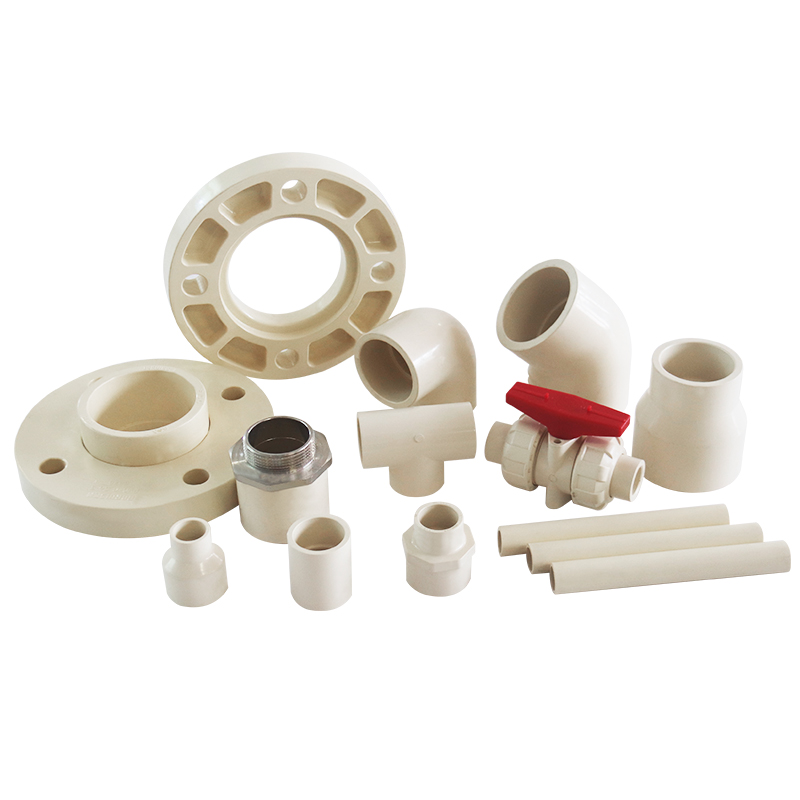
CPVC Water System Pipe and Fitting
PVC-M Water Plumbing System: Tougher, More Flexible, More Impact Resistant
PVC-M is modified to be more elastic. Instead of cracking under pressure or sudden loads, it absorbs stress. You would choose PVC-M when pipes are:
● Buried under heavy traffic roads
● Installed in areas with unstable soil
● Used in regions where ground shifts due to climate
Municipal engineers like PVC-M because it reduces long-term repair costs. Fewer breaks mean fewer maintenance emergencies.
PVC-UH and PVC-O Water Plumbing System: For High-Pressure Projects
Large water networks, pumping stations, and municipal mains often require stronger solutions. ULP offers two high-performance PVC systems:
● PVC-UH: Built for ultra-high pressure conditions. Good for infrastructure, long-distance transfer, and industrial distribution.
● PVC-O: PVC-O resists cracking, handles impact well, and performs efficiently under water surge pressure. PVC-O can be installed quickly because it is easier to transport and move. Contractors working on city pipelines, coastal projects, or desert water lines often prefer PVC-O for this reason.
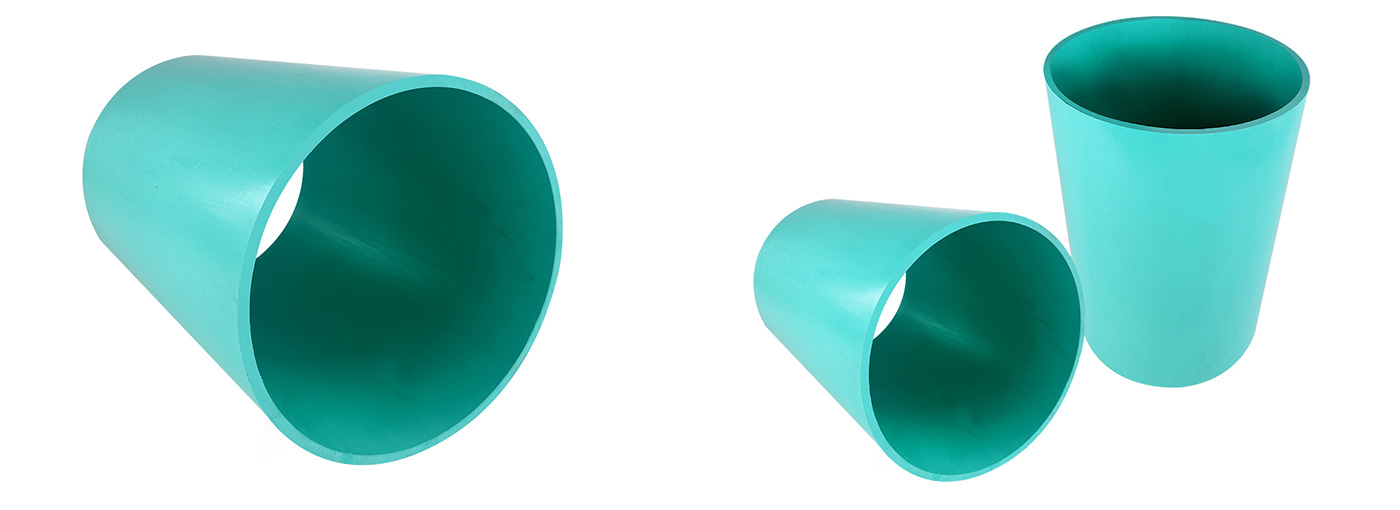
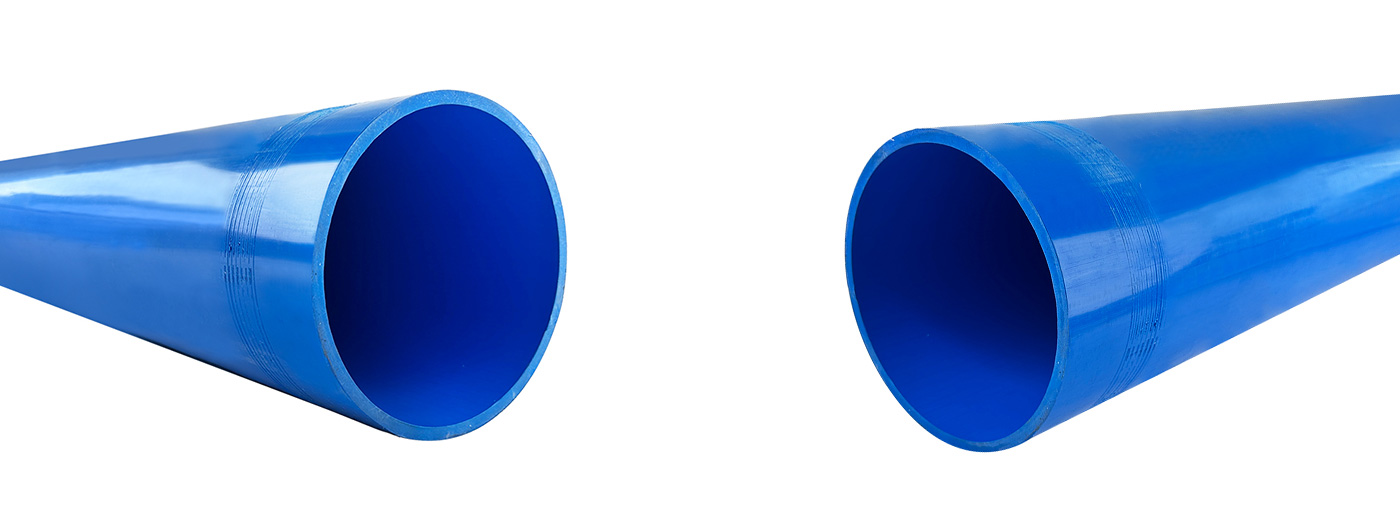
PVC-O Water Plumbing System - Grey Blue Pipes
HDPE Water Plumbing System - Flexible, Leak-Proof, and Made for Terrain
HDPE (High-Density Polyethylene) is a material that combines flexibility and strong performance. HDPE pipes are strong, but their ability to bend makes them unique. Instead of rigid straight lines, HDPE adapts to terrain, reducing fittings and risk points along the pipeline.
You will find HDPE in places like:
● Agricultural irrigation networks
● Mining sites
● Municipal water mains
● Sewer or flood control projects
● Industrial wastewater systems
Unlike PVC, HDPE pipes are joined by thermal fusion. The installers heat the pipe ends and melt them together, thus forming a continuous pipe without mechanical joints. For underground pipelines spanning kilometers, this is priceless.
HDPE can be supplied in long coils. Instead of shipping dozens of straight pipe lengths, installers receive rolls that can stretch hundreds of meters, which reduces connections and speeds installation.
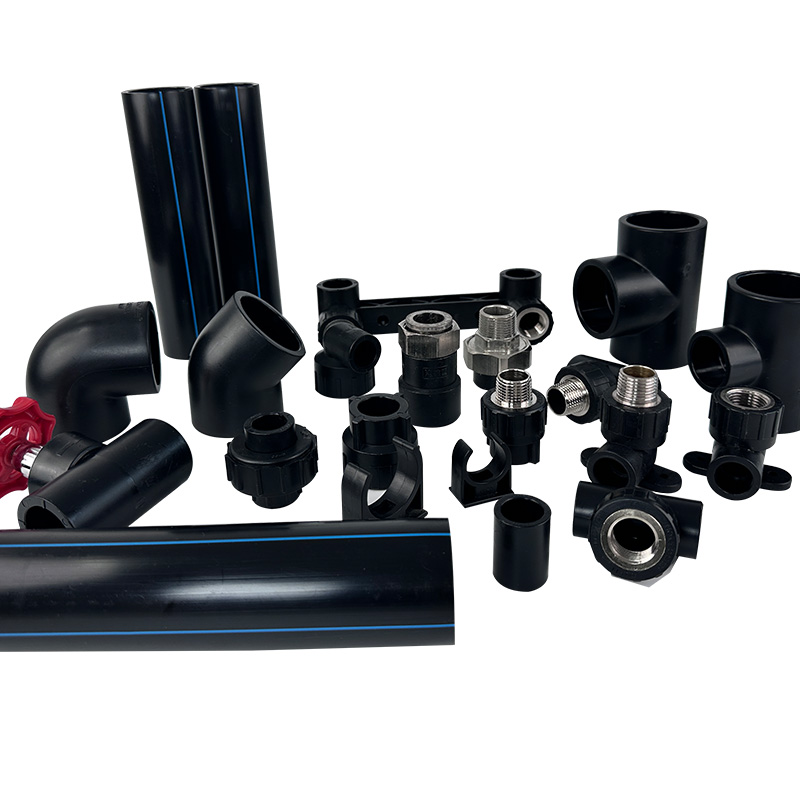
HDPE Water Supply Pipe and Fitting
PPR Water Plumbing System - Clean, Quiet and Ideal for Indoor Projects
When people want hygienic water delivery inside buildings, they normally choose PPR (Polypropylene Random Copolymer). It is the first choice in modern residential, hotel, and healthcare plumbing.
Why PPR Works Indoors?
PPR utilizes a heat fusion process similar to HDPE, but at lower temperatures. The biggest advantage of PPR is its clean, neutral surface. Water passes through without absorbing taste or odor. You can run it for 15 years and the water will still taste the same. PPR matters in:
● Apartments and homes
● Hospitals and clinics
● Hotels or resorts
● Office towers
● Schools and dormitories
Its natural insulation also improves energy efficiency. When used for hot water, PPR loses less heat compared to metal pipelines. Utility bills stay lower.
Where PVC-U is mostly for cold-water systems, PPR performs well under constant heat cycles. Showers, boilers, heating systems — these are long-term, repeated stresses. PPR handles them without fatigue.
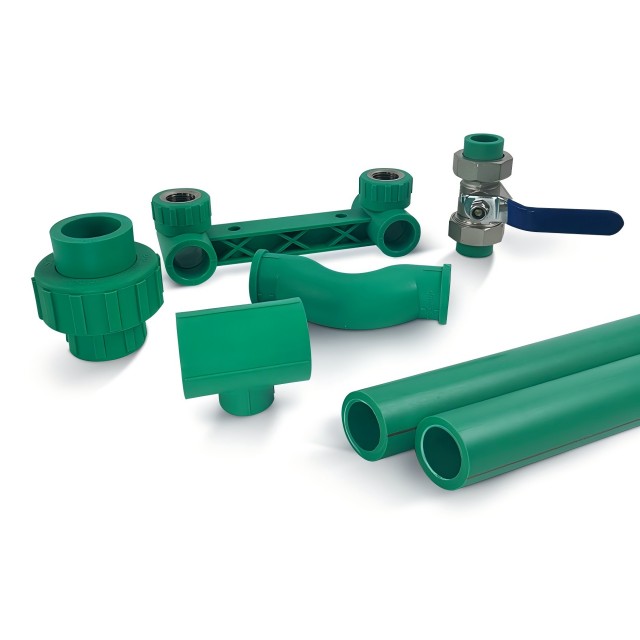
PPR Cold and Hot Water Pipe and Fitting
Choosing the Right Water Plumbing System for Your Project
Different environments require different materials. There is no universal winner.
If you are building homes or apartments:
● PPR for indoor hot and cold water
● PVC-U for outdoor supply or drainage
● PVC-C for boiler rooms or high-temperature lines
For agriculture and irrigation:
● HDPE for long-distance flexible lines
● PVC-U where durability matters but pressure is moderate
For industrial sites:
● PVC-C for chemicals
● HDPE for wastewater, corrosion, or terrain changes
● PVC-UH and PVC-O for high-pressure distribution
For city or municipal projects:
● PVC-O or PVC-UH in long underground mains
● HDPE for fusion-based continuous pipe networks
● PVC-M where ground impact or vibration is expected
Good projects are not built by buying pipes at random. They are built by selecting a system that matches real-world use. It's necessary to contact a professional for a detailed consultation.
Why Many Buyers Choose ULP?
ULP focuses on full-system supply, not just parts.
✅ Complete product range: PVC, HDPE, PPR - plus matching fittings, elbows, couplings, and valves.
✅ Customization: OEM/ODM services, branding, customized colors, packaging, and sizing.
✅ Strict QC and automated production: Advanced workshops, experienced engineers, and stable quality for large orders.
✅ One-stop purchase: Instead of contacting multiple factories, clients can handle entire plumbing projects with one supplier.
For distributors, this simplifies logistics and branding. For contractors, it means consistent performance on-site. For government or industrial buyers, it means reliable project outcomes.
ULP does not just sell pipes; we deliver solutions - from irrigation to building networks and municipal systems.
Conclusion: ULP Delivers Reliable Water Plumbing Systems for Every Need
The right plumbing system depends on where the pipeline will be and how it will be used. PVC is affordable, chemical-resistant, and easy to install. HDPE solves the challenges of terrain, pressure, and long-distance networks. PPR keeps indoor systems clean, quiet, and efficient.
Projects succeed when materials match real-world demands. With our complete product range, professional team, and 15+ years of experience, ULP helps customers make those decisions with confidence. Whether you're building a hotel, installing a municipal pipeline, or distributing pipe products globally, ULP offers durable plumbing systems backed by real technical support.