

Where EMT Stops and IMC Starts on Real Jobs
Categories:EMT/IMC Conduit and Fitting Author: author
On commercial and light industrial projects, a single conduit run seldom stays in one environment from start to finish. It might begin above a suspended ceiling in a finished office, drop into a mechanical room, travel a service corridor, head outside for a stretch, and finally connect to vibrating equipment. Because conditions change along the way, the material choice has to follow those changes instead of coming from one blanket rule.
Comparison charts that list wall thickness, weight, and price help with takeoffs. They miss what actually happens once repeated contact or ongoing vibration enters the picture. The real test is how the conduit performs after the building opens and daily use begins.
Exposure Changes the Requirements Quickly
Exposure usually forces the first hard look at material choice. In dry, finished spaces with controlled access, EMT handles the job without issue. Protection from weather and most physical contact keeps everything stable. Temperature swings stay small. Installation stays fast with familiar fittings, and costs remain reasonable. This is where EMT still delivers clear value.
Outdoor and Loading Zones
Move the run outdoors into parking structures or loading areas and the picture shifts. Sun, temperature cycling, moisture, and occasional contact from vehicles or maintenance crews all raise the stakes. What looks fine on paper can show dents, loosened fittings, or corrosion at joints after just a few seasons. Lighter material in these locations often generates more repair visits than the original savings justify. Contractors who manage multiple projects in exposed conditions see those calls accumulate faster than expected.
Indoor High-Traffic Areas
Indoor spaces create similar demands in their own way. Mechanical rooms, warehouse aisles, and service corridors experience regular movement of carts, stored materials, or ladders. EMT tolerates the occasional bump. Repeated impacts in the same spot produce a different outcome. When that pattern of foreseeable contact becomes clear, the thicker wall of IMC begins to deliver lower long-term cost through reduced damage and fewer operational interruptions during repairs.
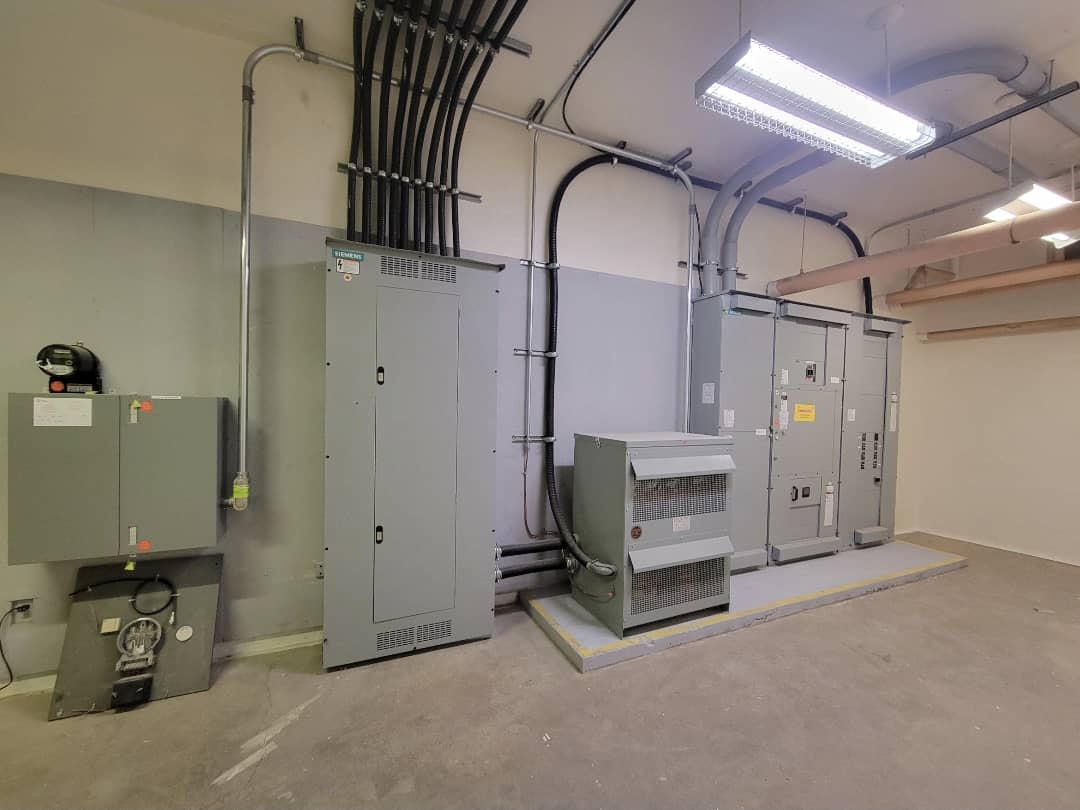
ULP offers complete EMT and IMC systems for these applications.
Threading and Rigidity Shape Long-Term Performance
Exposure is only one factor. How the conduit handles movement and vibration over the years adds another dimension to the decision. Many runs perform adequately with set-screw or compression fittings when the conduit stays stationary and sees little future disturbance. Some routes gain meaningful security from threaded joints. The deciding element is often whether movement or future modification seems probable once the space enters daily use.
Where Vibration and Movement Matter
Long vertical risers in service chases, straight horizontal sections across open areas, and runs near pumps or HVAC equipment all introduce movement or vibration. That movement loosens non-threaded fittings over time. Threaded connections create a more continuous mechanical bond that holds alignment and reduces loosening. IMC accepts threading without complication and gives the assembled system greater stability in these conditions. Field crews also notice that threaded joints make troubleshooting simpler because connection points remain more predictable after several years of service.
Terminations and Long-Term Reliability
During conductor installation or later modifications, the solid feel of threaded connections gives electricians more confidence the run will stay put. Similar advantages appear at terminations. Entries into panels, disconnects, or junction boxes stay tighter and more reliable when threads are present. Future work becomes simpler because the joint offers a solid connection rather than one that has worked partially loose. Reliability of this kind matters most where downtime for electrical work carries real operational cost.
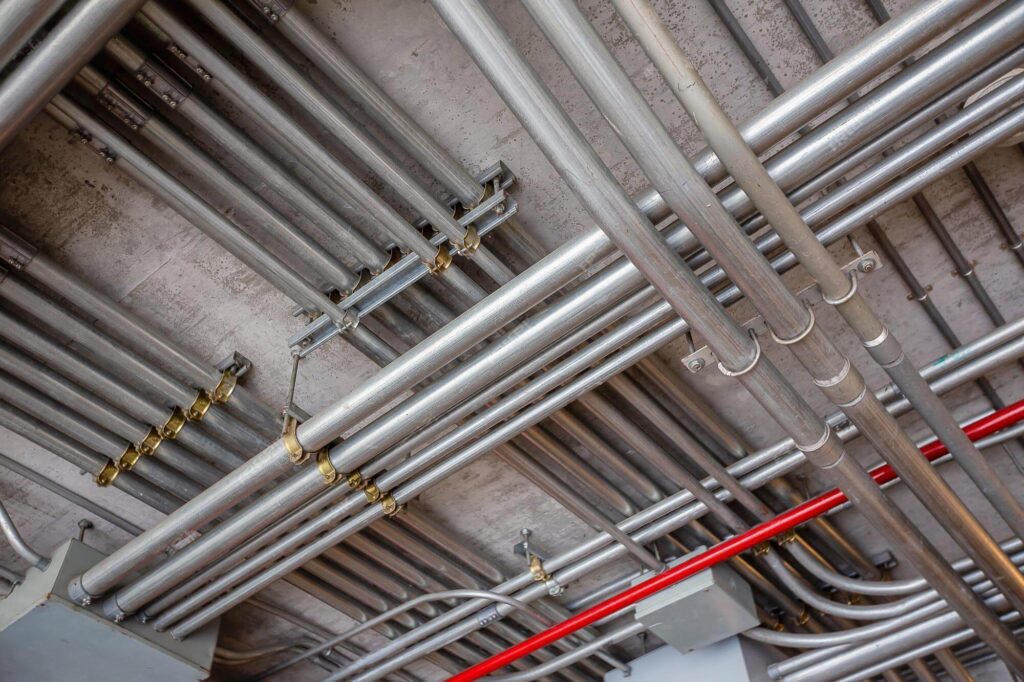
IMC provides extra stability where vibration or future modifications are expected. ULP
Situations Where EMT Remains the Practical Choice
Those mechanical realities play out differently depending on where the run sits inside the building. EMT continues to serve as the standard for most branch circuit work in commercial buildings. Crews install it routinely above ceilings in offices, retail spaces, schools, and healthcare facilities. It performs well inside walls during tenant improvements and in any dry location where access stays limited and physical contact remains infrequent. These runs go in quickly, keep material costs reasonable, and rest on decades of field history when used in the right conditions.
The advantages become especially clear on projects that see frequent layout changes during construction. Crews can adjust routing without major delays because the material and fittings feel familiar and stay lightweight. Support spacing follows normal practice, and the system does not slow overall job progress.
Inside equipment rooms EMT can still make sense when the actual path stays high and clear of main traffic routes. The deciding factor remains whether that specific segment will see carts, ladders, or stored materials on a regular basis. Room names by themselves do not determine the right material.
Situations Where IMC Provides Clearer Advantages
The picture changes as soon as the run moves into zones with routine activity or weather exposure.
Exposed Risers in Service Areas
Exposed vertical risers in mechanical and service rooms offer a common example. These sections sit where daily activity happens around them. A dent does more than affect appearance. It can create stress points or complicate future conductor installation. Thicker walls absorb typical impacts while preserving usable internal diameter. In facilities with regular maintenance activity, this durability reduces emergency repairs that interrupt other work.
Exterior and Weather-Exposed Sections
Exterior sections and any passage through exterior walls follow the same logic. Weather exposure combined with physical access raises performance requirements. IMC meets the combination with fewer additional protective measures. The material also maintains better appearance over time when left exposed, which matters in locations visible to building occupants or visitors.
Lower Runs and Equipment Connections
Lower runs in warehouses, loading zones, and parking structures belong in the same category. Pallet jacks, carts, and occasional vehicle traffic form part of normal operations. Specifying lighter conduit in these locations often leads to repair work within the first several years. The cumulative cost of those repairs frequently exceeds the original material difference between the two options.
Connections to equipment introduce one more consideration. When conduit must maintain alignment into vibrating machinery or enter enclosures that see frequent access, threaded IMC joints reduce the likelihood that movement will affect the connection over time. The choice ultimately centers on how the completed assembly performs after the building enters daily use rather than on published strength values alone. This longer perspective helps avoid situations where initial savings lead to higher total ownership costs.
Specifying Mixed Runs to Avoid Field Confusion
Knowing which material belongs where is only the first step. Writing specifications that make those transitions unmistakable for estimators and installation crews is what actually prevents problems on site. Most projects use both materials. Vague language that leaves the final decision to field personnel creates uncertainty during both estimation and installation. Phrases such as “EMT or IMC where required” or “steel conduit in exposed areas” force everyone to guess.
Effective specifications define the transition by condition instead. Interior concealed branch circuits stay with EMT. Exposed runs below a defined height in service corridors, mechanical rooms, and loading zones switch to IMC. Exterior work receives separate treatment. This approach gives estimators a clear scope and gives installation teams a route they can follow without reinterpretation. Clear language also reduces the chance of disputes during project closeout when different parties read vague notes differently.
Fittings and supports require matching language. Once a segment is designated as IMC, the couplings and terminations should follow the same system. Mixing fitting types within a single run creates potential weak points and produces an inconsistent appearance when the work is complete. Consistent specification across conduit and fittings produces a more professional final installation that reflects well on the entire project team.
Detail drawings that mark the exact transition points, particularly at ceiling level or where a chase begins, remove remaining ambiguity. Time spent clarifying these points during design reduces requests for information and change orders during construction. The investment in clear documentation at the beginning of a project consistently returns value through smoother execution in the field.
Evaluating Each Segment Before Material Selection
The boundary between EMT and IMC never shows up on a single comparison chart. It appears only when each portion of the route is assessed according to the conditions it will actually encounter. Contractors who examine exposure levels, the likelihood of physical contact, and the need for threaded rigidity on a segment-by-segment basis achieve more consistent long-term results. Runs that remain in dry, protected locations with limited access continue to favor EMT for its speed and economy. Segments that face weather, regular contact, or vibration point toward IMC for better durability and reduced maintenance.
Walking the route with the project superintendent before the material order goes in often reveals transition points that drawings miss. Those conversations prevent both unnecessary spending on heavier material where it is not needed and repeated repairs where lighter material proves insufficient. The result is conduit installations that perform reliably and cost less to maintain over the life of the building.
Clear, condition-based decisions lead to conduit installations that simply perform better and cost less to maintain. When both EMT and IMC are required on the same project, consistent quality across conduit, couplings, and terminations removes one of the most common sources of field confusion and callbacks. ULP builds its entire range around exactly these real-world transitions, with matching fittings that keep mixed runs clean and dependable from day one.