

EMT Conduit and Fittings FAQs: Standards, Types, and Applications
Categories:EMT/IMC Conduit and Fitting Author: author
Electrical Metallic Tubing, usually called EMT conduit, is one of the most common conduit systems used in modern electrical installations. You can see it everywhere, from city infrastructure projects to residential wiring and small commercial buildings.
What Is EMT Conduit?
EMT conduit is a thin wall galvanized steel conduit designed to protect electrical wires and cables. It is lighter than rigid conduit but still strong enough for most indoor and light outdoor applications. The raw material is electrical metallic tubing steel, produced according to ASTM standards, which ensures consistent quality and safety.
Most EMT conduit comes in a natural silver finish. This surface is not just for appearance. The galvanized coating provides resistance to rust and sunlight, making the conduit suitable for long term use in different environments. With a tensile strength of around 5,000 psi, EMT conduit offers solid mechanical protection for power cables and communication lines.
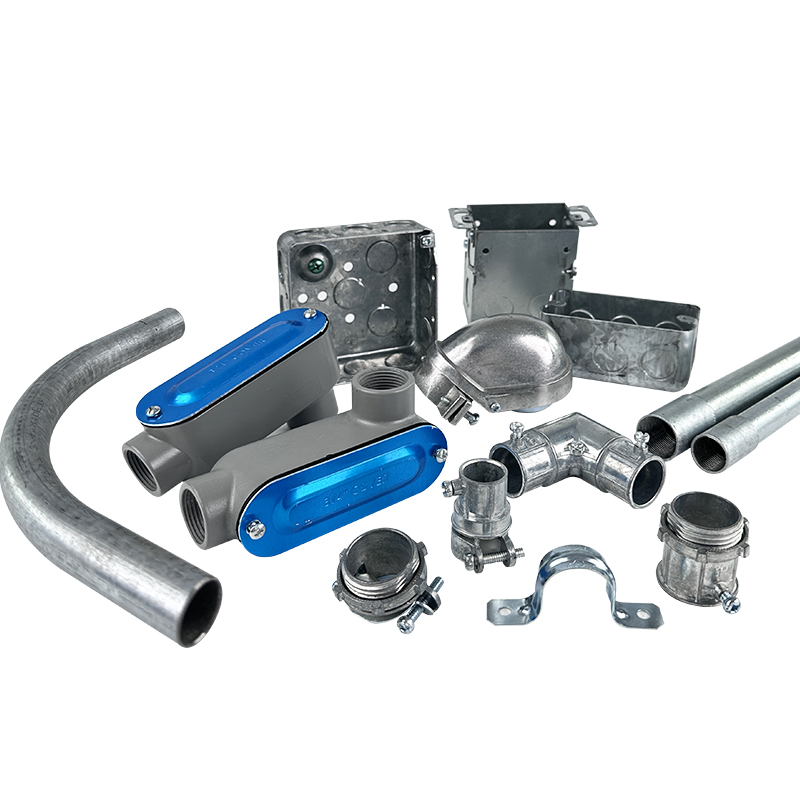
EMT fittings are used together with the conduit to connect sections, make turns, and secure the conduit to boxes or structures. Common EMT conduit fittings include couplings, connectors, set screw fittings, compression fittings, and elbows. When installed correctly, the conduit and fittings form a complete and secure electrical pathway.
Why are EMT Conduits and Fittings Widely Used?
One reason EMT conduit is so popular is its balance between strength and flexibility. It is sturdy in structure but still easy to cut, bend, and install on site, saving labor time, especially in large scale projects like municipal pipelines or commercial buildings.
Another key factor is compliance. EMT conduit produced under ASTM standards is accepted by many electrical codes. Contractors and engineers prefer products that are safe, compliant, and easy to approve during inspection.
EMT conduit is also widely used in home improvement products. For example, it is often chosen for exposed wiring in basements, garages, and utility rooms where protection and a clean look are both important.
Typical Applications of EMT Conduit and Fittings
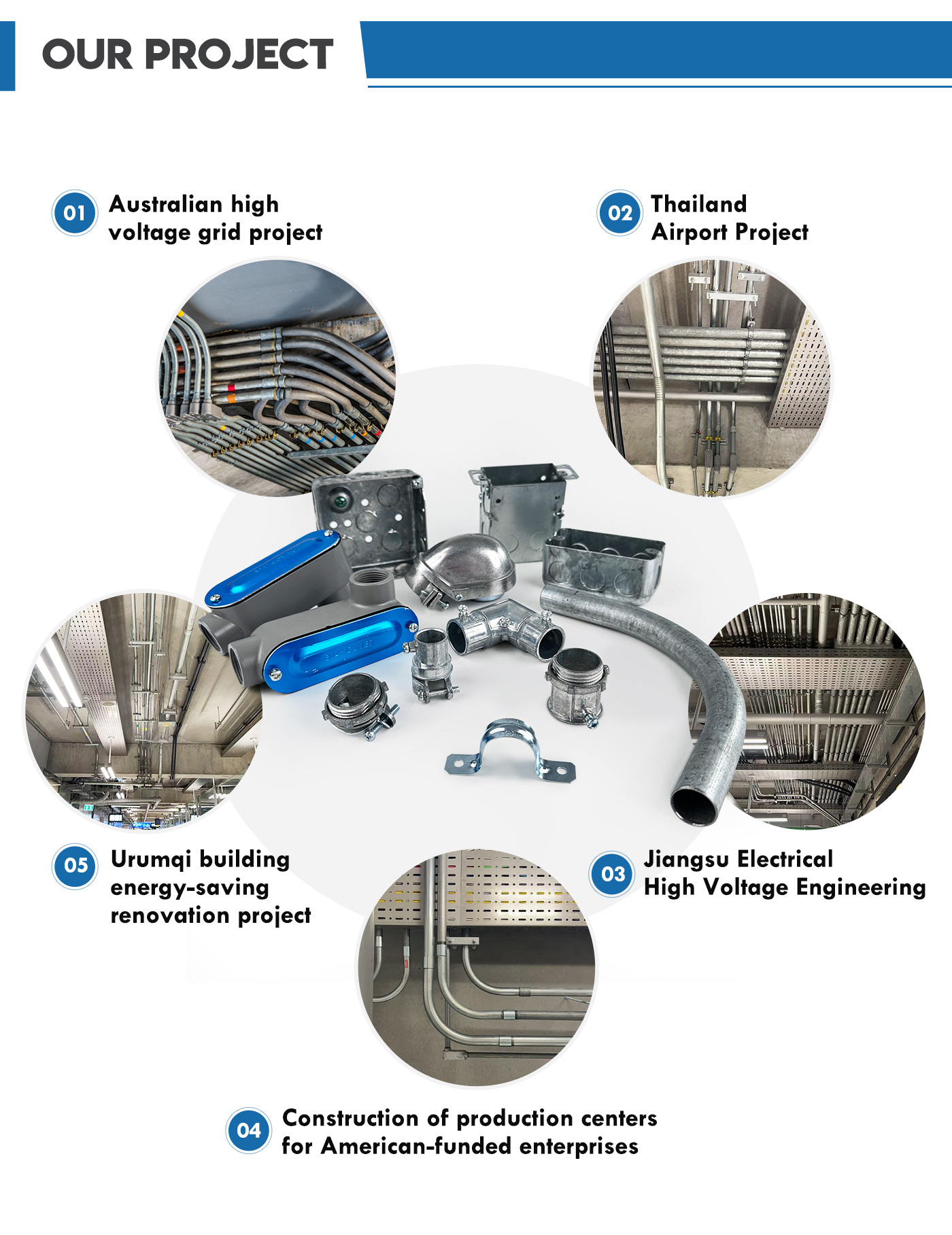
EMT conduit and fittings are suitable for many scenarios. In municipal pipelines, EMT is often used to protect control cables and power lines inside buildings and service tunnels. In civilian pipelines and residential projects, it is used for lighting circuits, outlets, and distribution panels.
In power pipelines, EMT conduit provides a safe channel for electrical wiring, reducing the risk of mechanical damage. Because it is rust resistant, it can also be used in semi outdoor areas when properly installed.
Manufacturers and OEM customers also choose EMT conduit for customized electrical systems. With flexible OEM and ODM options, sizes, colors, and packaging can be adjusted based on project needs.
EMT Conduit and Fittings FAQs
What Standards Does EMT Conduit Follow?
Most high quality EMT conduit follows ASTM standards. These standards define wall thickness, material properties, and performance requirements. ASTM compliant EMT conduit is widely accepted in electrical installations and helps ensure safety and consistency across projects.
What Sizes Are Available for EMT Conduit?
Standard EMT conduit sizes usually range from 1 inch to 4 inches. These sizes cover most common electrical installations. For special projects, custom sizes can also be produced. Customization is often requested for industrial equipment, prefabricated systems, or export markets.
Is EMT Conduit Suitable for Outdoor Use?
EMT conduit has good resistance to rust and sunlight thanks to its galvanized surface. It can be used in certain outdoor or semi outdoor applications, but local electrical codes should always be checked. In harsh environments, additional protection or alternative conduit types may be recommended.
What Types of EMT Fittings Are Commonly Used?
Common EMT fittings include set screw connectors, compression connectors, couplings, and EMT elbows. Each type serves a different purpose. Set screw fittings are easy to install and widely used indoors. Compression fittings provide a tighter seal and are often chosen for more demanding environments.
Is EMT Conduit Strong Enough for Power Pipelines?
With a tensile strength of 5,000 psi, EMT conduit provides strong protection for power cables. While it is thinner than rigid conduit, it is still suitable for many power pipeline applications, especially indoors and in protected areas.
What Is the Difference Between EMT and Rigid Conduit?
EMT conduit has a thinner wall compared to rigid conduit, which makes it lighter and easier to install. Rigid conduit is thicker and stronger, but it also requires more labor and cost during installation. For most indoor electrical installations, EMT conduit provides enough protection while saving time and material cost.
Can EMT Conduit Be Used for Exposed Wiring?
Yes, EMT conduit is commonly used for exposed wiring in basements, workshops, garages, and commercial spaces. Its silver galvanized finish gives a clean and professional appearance while protecting electrical wires from physical damage.
How Are EMT Conduits and Fittings Connected?
EMT conduit and fittings are usually connected using set screw fittings or compression fittings. Set screw fittings are simple and fast for indoor use. Compression fittings offer a tighter connection and are often chosen for projects that require higher reliability.
What Wall Thickness Does EMT Conduit Have?
The wall thickness of EMT conduit is defined by ASTM standards. This ensures consistent strength and performance across different sizes. Using ASTM compliant EMT conduit helps meet inspection and safety requirements in electrical projects.
Is EMT Conduit Suitable for Commercial Buildings?
EMT conduit is widely used in commercial buildings such as offices, shopping centers, and warehouses. It supports lighting systems, power distribution, and communication wiring, making it a practical choice for many commercial applications.
Can EMT Conduit Be Cut and Threaded?
EMT conduit is easy to cut using standard tools. However, it is not usually threaded like rigid conduit. Instead, EMT conduit relies on fittings such as couplings and connectors to join sections together.
What Packaging Options Are Available for EMT Conduit?
Packaging can be customized based on customer needs. EMT conduit can be bundled, wrapped, or packed according to shipping and storage requirements. OEM packaging is available for distributors and brand owners.
How to Choose a Reliable EMT Conduit Manufacturer?
When selecting an EMT conduit manufacturer, it is important to look beyond price. Check whether the products meet ASTM standards, whether the conduit has consistent wall thickness, and whether the fittings match properly. A reliable EMT conduit supplier should also offer stable production, clear marking, and good communication. For long term cooperation, OEM capability and export experience are also important factors.
Do You Offer OEM and ODM Services?
Yes. As one of the EMT conduit and fittings manufacturers in China, we offer flexible OEM and ODM services for EMT conduit and fittings. Sizes, colors, printing, and packaging can all be customized. It is especially useful for brand owners, distributors, and project based customers.
Conclusion
EMT conduit and fittings play a key role in safe and efficient electrical installations across municipal, residential, and power pipeline projects. Choosing ASTM compliant products with strong structure and reliable protection can reduce installation risks and long term maintenance issues.
ULP provides EMT conduit and fittings with flexible OEM and ODM options, stable quality, and professional support. If you are looking for a dependable EMT conduit manufacturer or supplier, ULP is ready to support your next project. Contact ULP today to discuss samples, customization, and bulk orders.