

Top 10 EMT Conduit Fittings Every Contractor Should Know
Categories:EMT/IMC Conduit and Fitting Author: author
From office buildings and warehouses to retail spaces and data rooms, EMT galvanized electrical steel conduit is often the first choice because it is lightweight, easy to install, and cost-effective. But conduit alone is never enough. The real performance of an EMT system depends on the fittings that connect, secure, protect, and guide the conduit.
Contractors who understand EMT conduit fittings well can work faster, avoid common installation mistakes, and pass inspections more smoothly.
Top 10 EMT Conduit Fittings Every Contractor Should Know
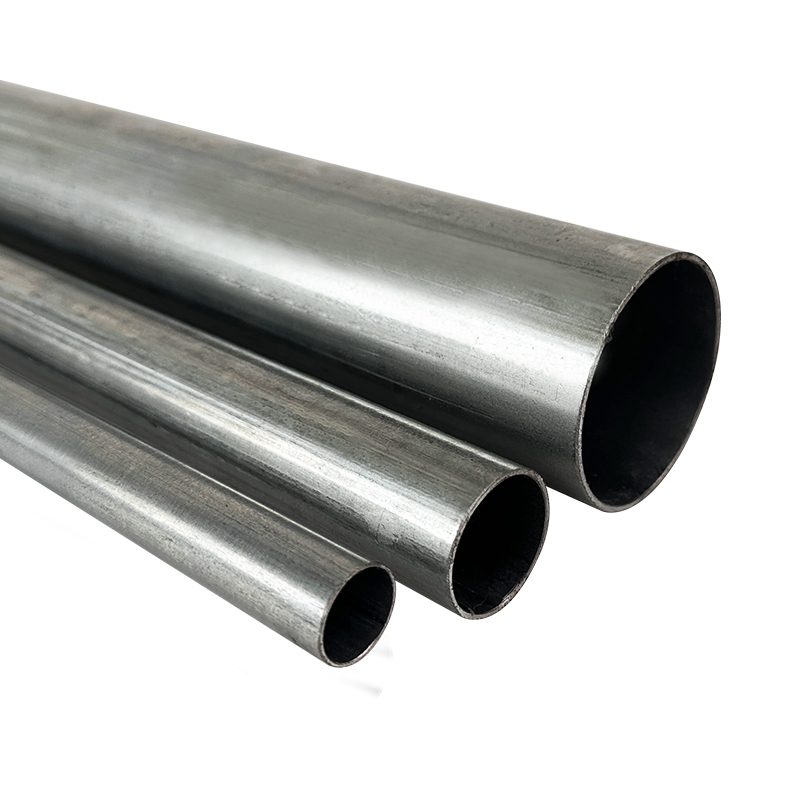
1. EMT Galvanized Electrical Steel Conduit
Although it is not a fitting, EMT galvanized electrical steel conduit is the foundation of the entire system. It provides mechanical protection for electrical wiring and creates clean, organized runs across walls and ceilings.
EMT conduit is commonly used in commercial buildings, factories, schools, and hospitals. The galvanized coating helps resist corrosion, especially in indoor environments with moisture or temperature changes. When paired with the right EMT conduit fittings, it forms a strong and reliable electrical raceway system.
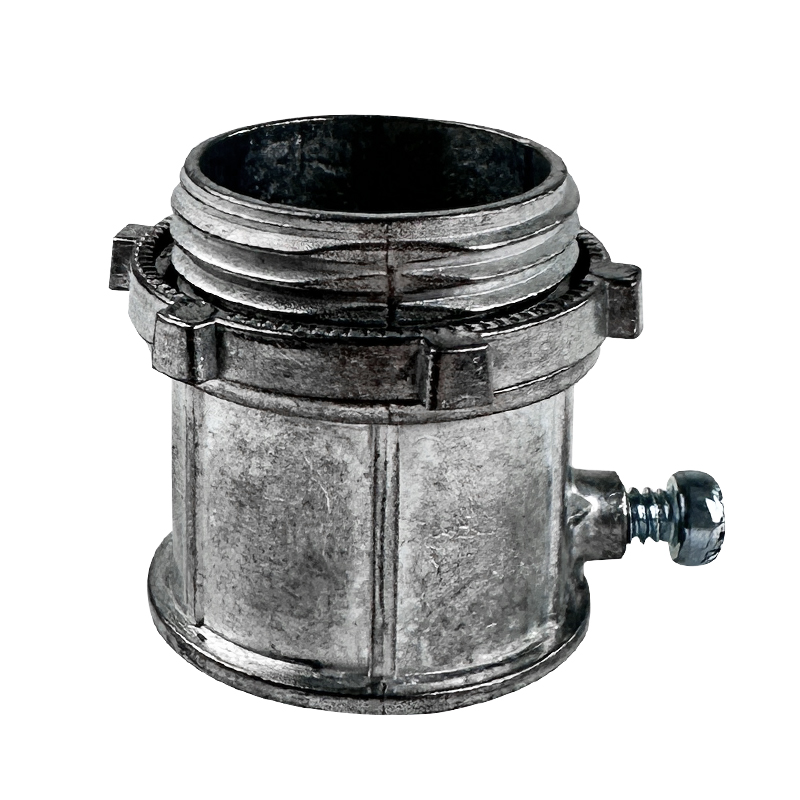
2. EMT Set Screw Connector
The EMT set screw connector is one of the most frequently used EMT fittings on job sites. It connects EMT conduit to electrical boxes or enclosures and is secured by tightening the set screws.
Contractors prefer set screw connectors because they are quick to install and easy to adjust. They are commonly used in dry indoor locations such as office buildings and retail projects. A well-made EMT set screw connector grips the conduit firmly and helps maintain good electrical continuity.
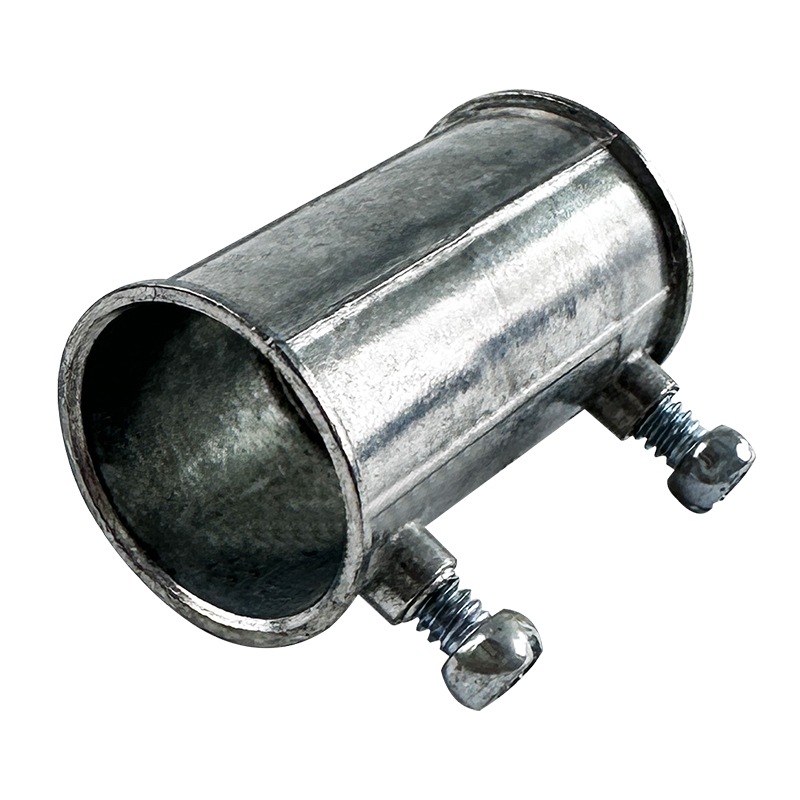
3. EMT Set Screw Coupling
When two lengths of EMT conduit need to be joined together, the EMT set screw coupling is the standard solution. It allows contractors to extend conduit runs without bending long sections.
In tight ceiling spaces or renovation projects, set screw couplings save time and reduce material waste. For electrical contractors, choosing a precisely machined EMT coupling helps keep conduit alignment straight and prevents loosening over time.
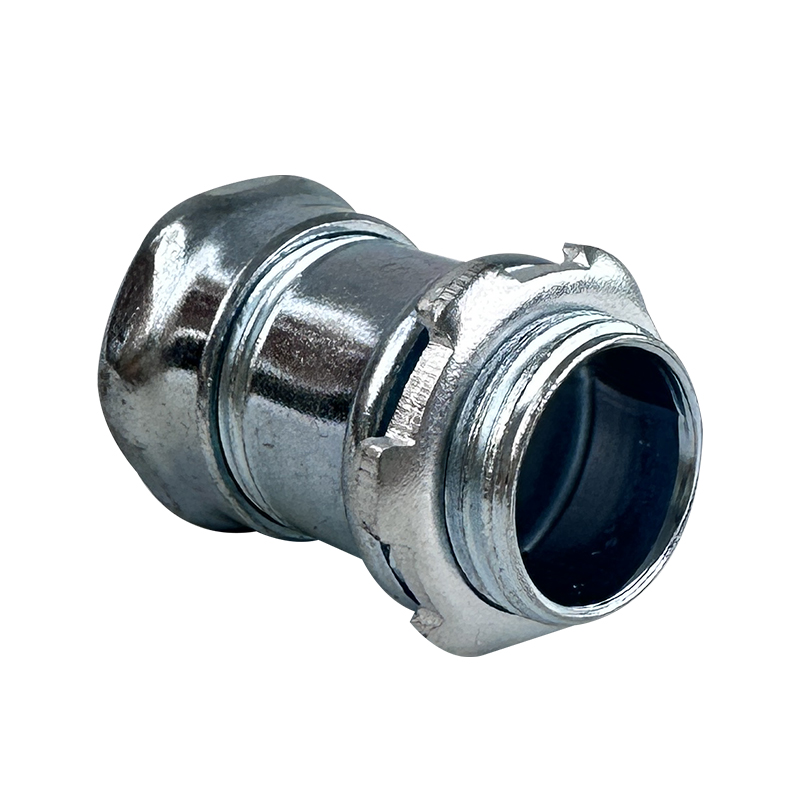
4. EMT Compression Coupling Steel
For projects that require stronger and more secure connections, EMT compression coupling steel is often the better choice. Compared with set screw types, compression couplings provide a tighter seal and improved pull-out resistance.
These fittings are widely used in commercial and industrial installations, especially in areas with vibration or higher code requirements. Many inspectors also prefer compression fittings for exposed EMT conduit runs because of their clean appearance and solid performance.
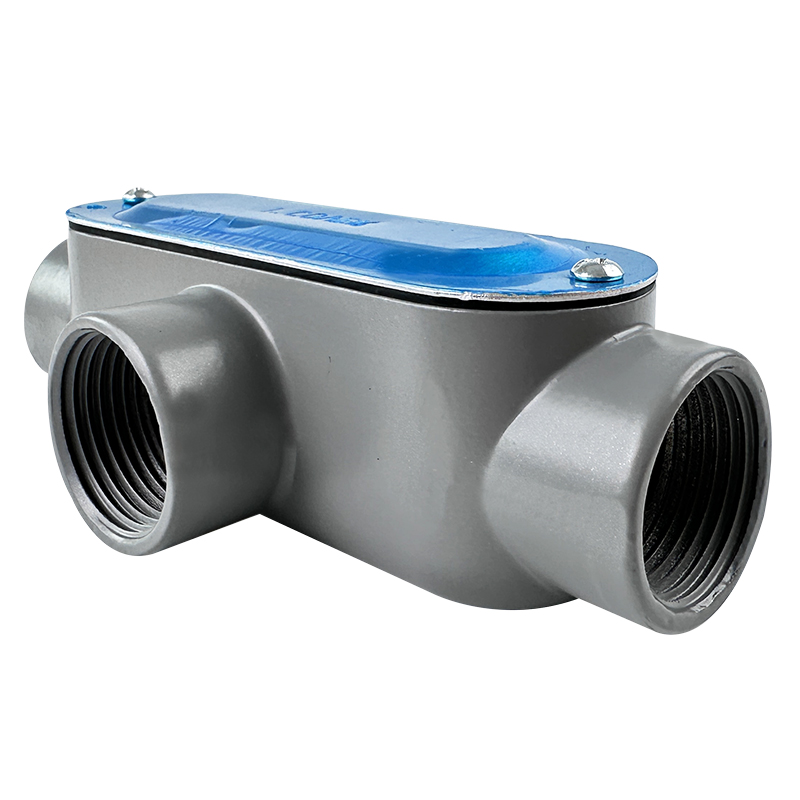
5. EMT Galvanized T-Shaped Three-Way Junction Box
Electrical layouts are rarely straight lines. The EMT galvanized T-shaped three-way junction box allows conduit runs to branch in three different directions while keeping wiring accessible.
This type of junction box is commonly used in lighting systems, corridor wiring, and large commercial ceiling spaces. A well-designed three-way junction box provides enough internal space for wire pulling and future maintenance, which makes system upgrades easier.
6. EMT Galvanized LB-Shaped Two-Way Junction Box
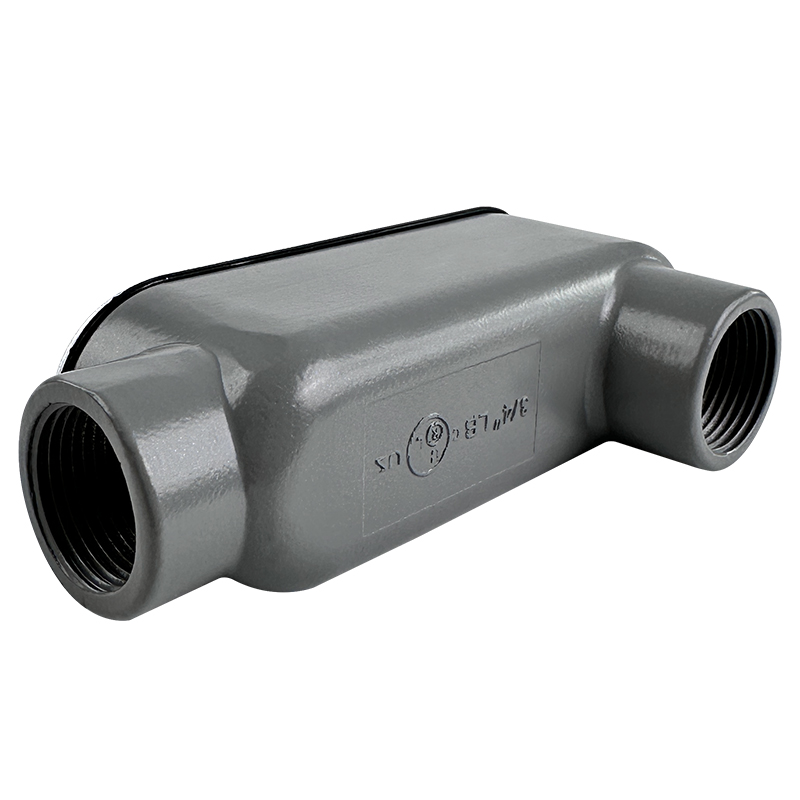
When EMT conduit needs to change direction around walls or structural obstacles, the EMT galvanized LB-shaped two-way junction box becomes essential. It allows a 90-degree turn while still offering access for pulling and servicing wires.
LB junction boxes are widely used in surface-mounted EMT conduit systems, particularly in commercial renovation projects. They help keep installations clean while meeting electrical code access requirements.
7. EMT Galvanized LL-Shaped Two-Way Junction Box
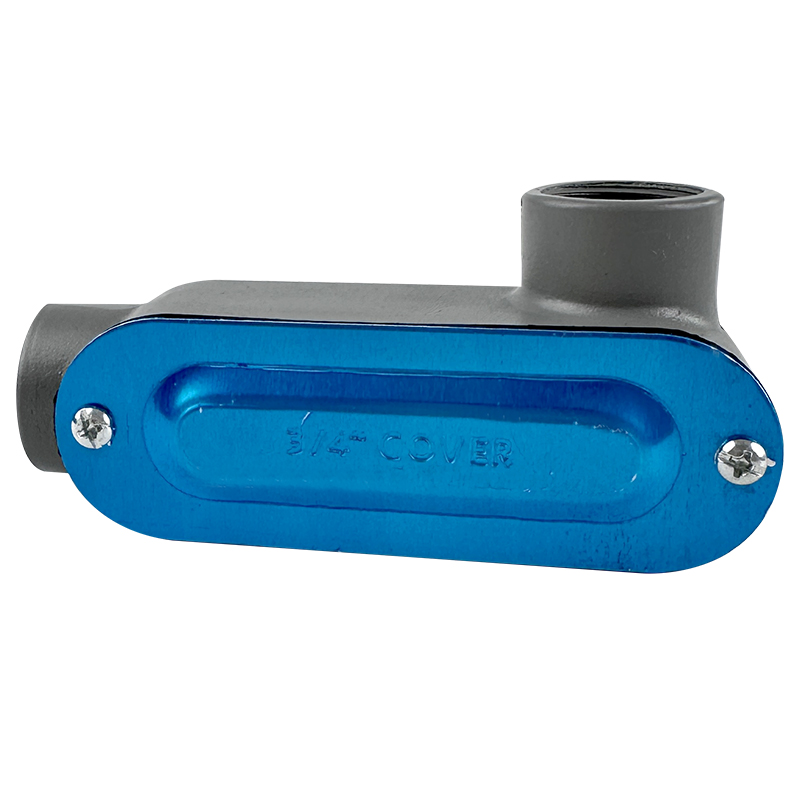
Similar to the LB type, the EMT galvanized LL-shaped two-way junction box is used when the direction of the conduit and the opening orientation need to be adjusted.
This fitting is especially useful when conduit runs parallel to walls or ceilings. Selecting the correct LL configuration reduces unnecessary bends and makes wire installation more efficient.
8. EMT Entranced Cap
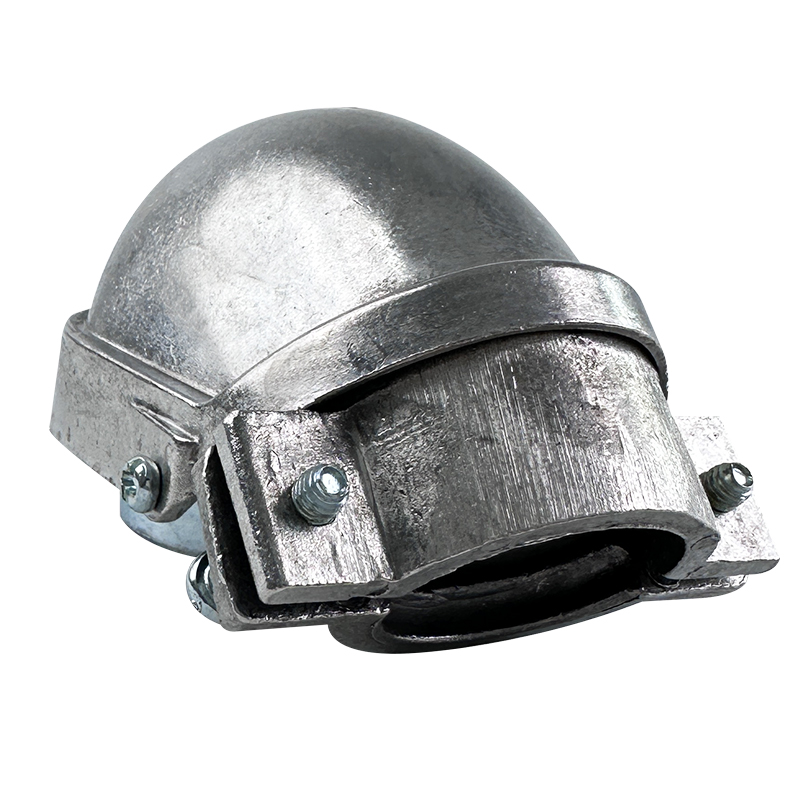
The EMT entranced cap is a small fitting, but it plays an important role in protecting electrical cables. It is installed at conduit entry points to prevent sharp metal edges from damaging wire insulation.
On active job sites, cable damage often occurs during pulling. Using an entranced cap helps extend cable life and supports safer electrical installations.
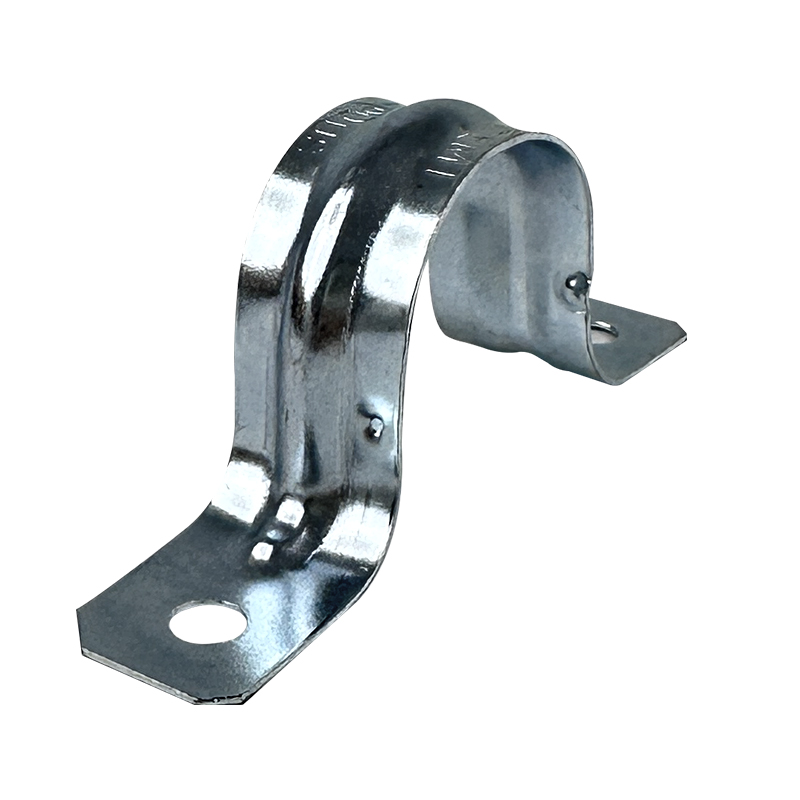
9. EMT Hole Strap
Properly securing EMT conduit is just as important as connecting it. EMT hole straps are used to fasten conduit runs to walls, ceilings, or structural surfaces.
They help maintain alignment and prevent conduit movement over time. Hole straps are commonly used in exposed EMT installations where stability and appearance are both important. Selecting the correct size ensures the conduit is held firmly without distortion.
10. EMT Capped Corner Coupling
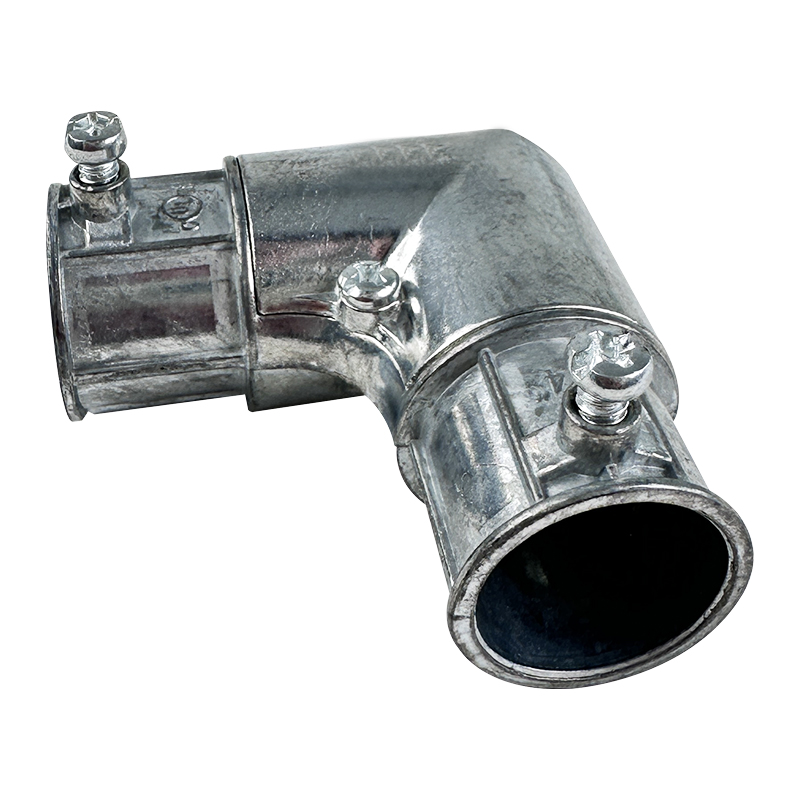
When conduit needs to turn at corners while maintaining a clean and professional appearance, EMT capped corner coupling is a practical solution. It protects exposed conduit ends and improves the overall finish of the installation.
This fitting is often used in commercial interiors where EMT conduit is visible. It adds both mechanical protection and visual consistency, which helps projects meet client and inspection expectations.
Why Are Quality EMT Fittings Important?
Using low-quality EMT conduit fittings can lead to loose connections, poor grounding, and failed inspections. Reliable fittings improve installation efficiency, reduce rework, and help contractors deliver safer electrical systems.
Working with an experienced EMT conduit and fitting manufacturer ensures consistent dimensions, durable galvanized coatings, and compliance with industry standards, especially important for large commercial and industrial electrical projects.
Conclusion
From EMT set screw connectors to galvanized junction boxes, every fitting plays a role in building a dependable electrical conduit system. Understanding how and where to use these EMT conduit fittings helps contractors work more efficiently and deliver higher-quality installations.
If you are looking for a reliable supplier of EMT conduit and fitting solutions, ULP offers a complete range of EMT galvanized electrical steel conduit and fittings designed for real-world electrical installations.
Contact ULP today to get professional support, stable quality, and products you can trust on every project.