
What Is HDPE Electrical Conduit? Benefits, Sizes and Applications
Categories:HDPE Pipe and Fitting Author: author
If you walk into any modern construction site or infrastructure project, you'll likely find electrical lines protected inside a network of pipe systems. These conduits were buried underground, behind walls, or above ceilings, ensuring that power cables remain safe for years.
One of the materials that has rapidly gained popularity in this field is HDPE—short for High Density Polyethylene. This article introduces what HDPE electrical conduit actually is, why it is preferred over traditional materials, how sizes are chosen, and where it is commonly applied.
What Is HDPE Electrical Conduit?
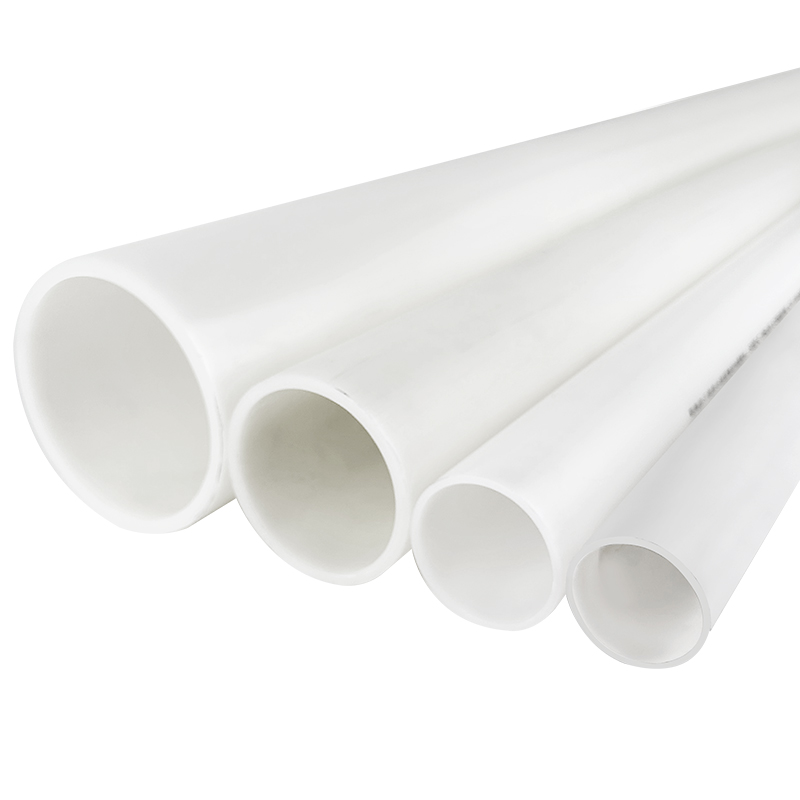
HDPE electrical conduit is a protective pipe made from high-density polyethylene—an engineered thermoplastic known for its durability, flexibility, and resistance to environmental stress. Unlike rigid PVC or steel conduits, HDPE bends without cracking and maintains strength even when buried or exposed to sunlight.
The main goal of conduit is simple: shield electrical cables from physical damage, moisture, corrosion, chemicals, UV exposure, and environmental stress. In underground construction, conduit isn't just a preference; it often becomes a long-term safeguard. HDPE is ideal because the material's molecular structure makes it dense, tough, and resistant to moisture penetration. It settles into the surrounding soil without shattering and won't rust like metal.
Modern HDPE pipes are manufactured according to international standards such as ASTM, ISO, DIN, GB, and BS EN. It means when a project requires compliance, engineers don't have to guess—the conduit's dimension, wall thickness, flexibility, and performance all correspond to a recognized standard.
Why are HDPE Conduits Important in Electrical Infrastructure?
The advantages of HDPE conduits come from the material itself, not from coatings or additives.
1. Flexibility That Reduces Installation Cost
Traditional rigid conduit requires frequent joints and directional changes, which take time and labor. HDPE conduit naturally bends. That means fewer elbows and fewer fittings. In long runs, especially when crossing uneven ground, this becomes a serious cost saver.
On large industrial or utility projects, installers feed cable through long, smooth HDPE runs with minimal friction. The result is faster wiring, fewer bonding points, and a cleaner installation.
2. Corrosion and Chemical Resistance
Steel rusts. PVC degrades under thermal stress. Concrete cracks if the ground shifts.
HDPE, on the other hand, does not corrode—no matter the soil type, humidity, or chemical exposure. Oils, acids, saltwater, fertilizers, and even industrial wastewater won't degrade its structure. This is why HDPE conduit is popular not only in construction but also in petrochemical facilities, water treatment plants, and underground infrastructure.
3. UV Stability and Outdoor Durability
When conduits are installed above ground or on rooftop installations, UV exposure is a challenge. HDPE pipes reinforced with UV-resistant materials can handle direct sunlight for long periods. They don't chalk, fade, or embrittle the way PVC does.
4. Heat, Flame, and Impact Resistance
Electrical conduit faces another danger: fire. Electrical arcs, short circuits, or external heat sources can trigger a disaster. HDPE materials used in electrical conduit systems are typically flame-retardant and resist heat deformation.
At ULP, for example, pipes are engineered with character-flame resistant and UV-resistant properties—crucial for industrial safety and long-term reliability.
5. Long Service Life with Minimal Maintenance
Once installed and properly buried, HDPE systems need little maintenance. Their seamless structure resists cracking. They don't become brittle in winter or soften in summer. Most lifespans exceed 50 years.
Sizes and Specification Ranges of HDPE Electrical Conduits
HDPE conduit sizes typically range from 1/2 inch up to 8 inches, though larger custom sizes exist for heavy utility projects. Choosing the right size depends on:
● Cable bundle diameter
● Pulling method (manual, winch, air-blown)
● Installation route
● Minimum radius requirements
● Pressure environments (if used for fiber microducting or electrical-hydraulic systems)
A single 8-inch conduit can carry multiple cable lines or even several inner subducts. Meanwhile, compact residential runs often rely on 1-inch or 1.5-inch conduits to feed network or electrical utilities to a single building.
Standards also govern the thickness and performance levels. ASTM, ISO, DIN, GB, and BS EN define:
● Wall thickness (SDR ratios)
● Tensile strength
● Pressure resistance
● Temperature tolerance
● Environmental performance
Applications: Where HDPE Electrical Conduits Make Sense?
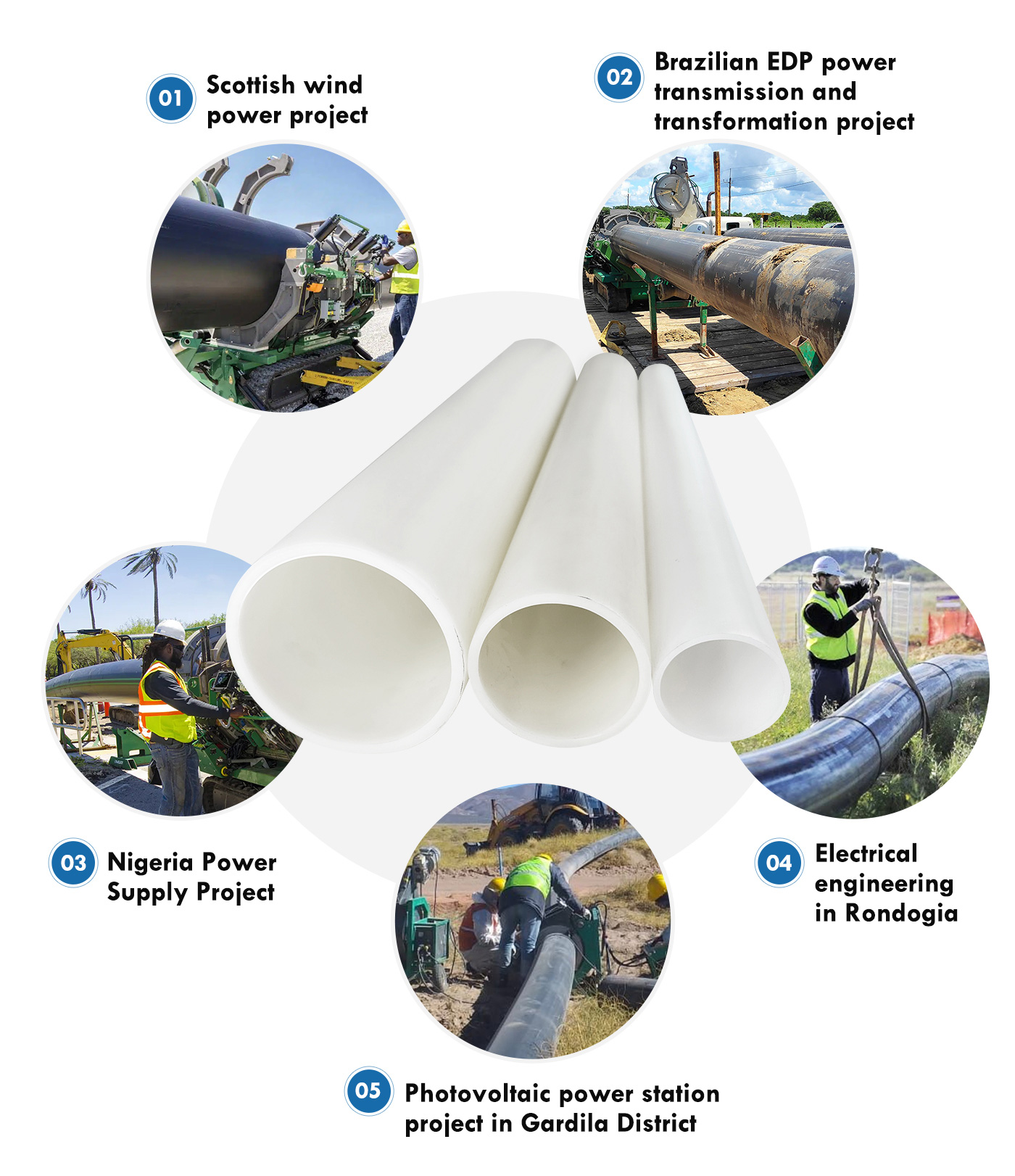
Every electric system, from a backyard solar project to a national power grid, requires protection. HDPE conduit fits into nearly every stage of this ecosystem.
1. Underground Utility Construction
This is the most common setting. Underground electrical lines are safer from vandalism, weather, and accidental damage.
HDPE conduit shines here for three reasons:
● Flexible enough to follow terrain
● Resistant to moisture and soil chemicals
● Easy to pull cable through long runs
Municipalities and grid companies use it heavily in urban development, tunnel corridors, and highway systems.
2. Communication and Fiber Optic Networks
Fiber optic cables require gentle protection. They are fragile and incredibly sensitive to bending radii.
HDPE smooth interior wall allows fiber cable pulling without abrasion. Telecommunication companies often bury multi-cell HDPE conduits to future-proof infrastructure—new lines can be added without tearing open pavement.
3. Industrial Automation & Factory Infrastructure
Factories generate noise, vibration, dust, and heat. Unprotected cables in a manufacturing line are a nightmare. For that reason, HDPE conduit helps shield power, data, and sensor lines. It's particularly valued for high-salinity or chemical-heavy environments like food processing plants, marine facilities, and battery manufacturing.
4. Solar, Wind, and Renewable Energy Projects
Large solar farms often stretch across kilometers of land. Running cables without a protective conduit invites rodent damage, soil movement, and UV exposure.
Wind farms require armored electrical lines routed from turbines to inverters. HDPE's resistance to weather, temperature cycles, and water makes it ideal.
5. Above-Ground Construction and Building Wiring
Although underground engineering is its strong suit, HDPE is equally valuable indoors. It is light, easy to cut, and simple to secure. In commercial buildings, data centers, and hospitals, conduit keeps cable trays organized and separated from mechanical systems.
Customization and OEM/ODM Options: Why Choose ULP?
Every electrical installation is different. A mining company needs heavy-wall conduit to resist rock pressure. A telecom developer might want an orange color code for fiber ducts. A construction project may need non-standard diameters to fit existing trench systems.
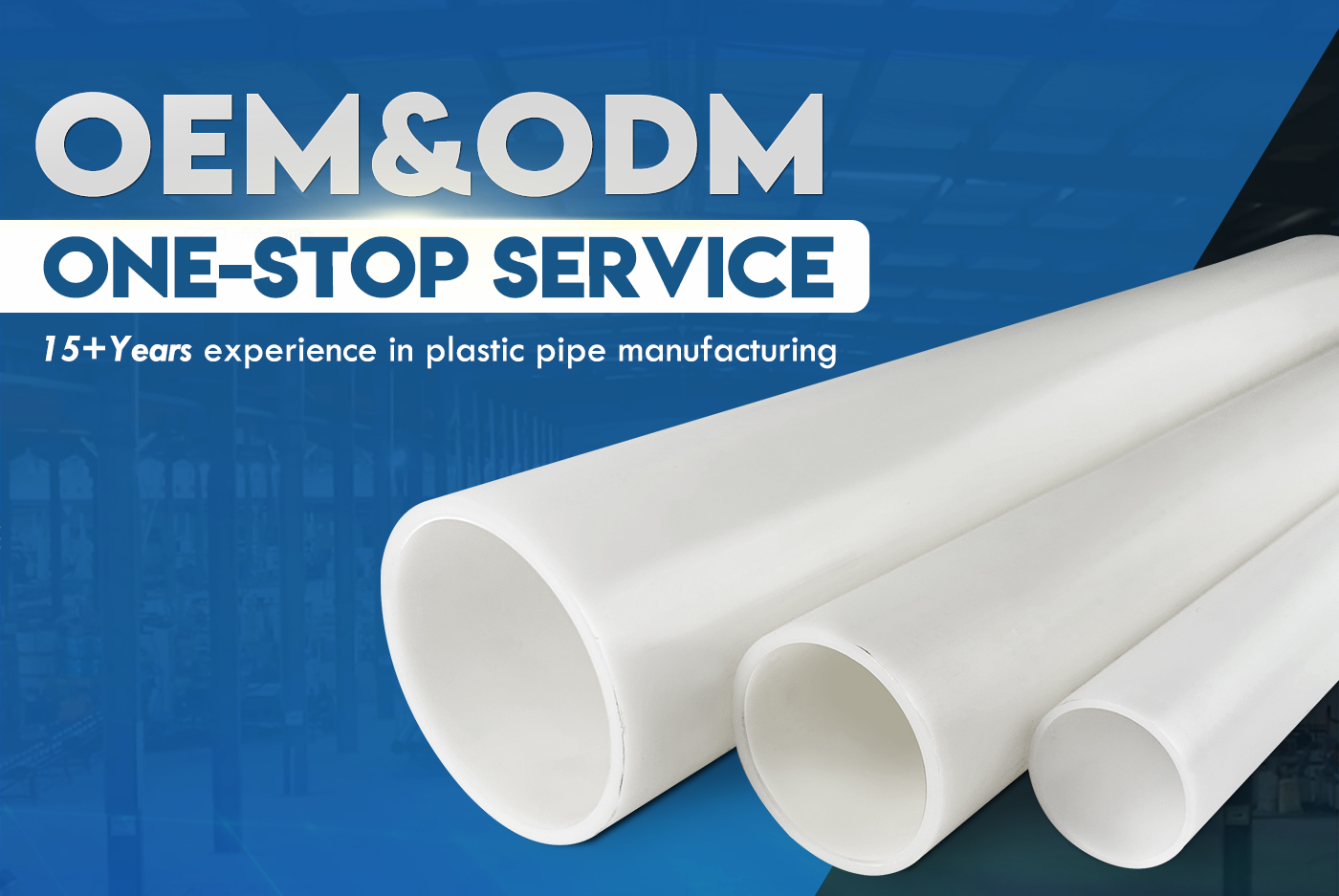
This is where OEM/ODM service makes a difference. ULP supports:
● Customized logo printing
● Color coding for project categories or safety marking
● Flexible sizes
● Custom packaging (retail, bulk, palletized)
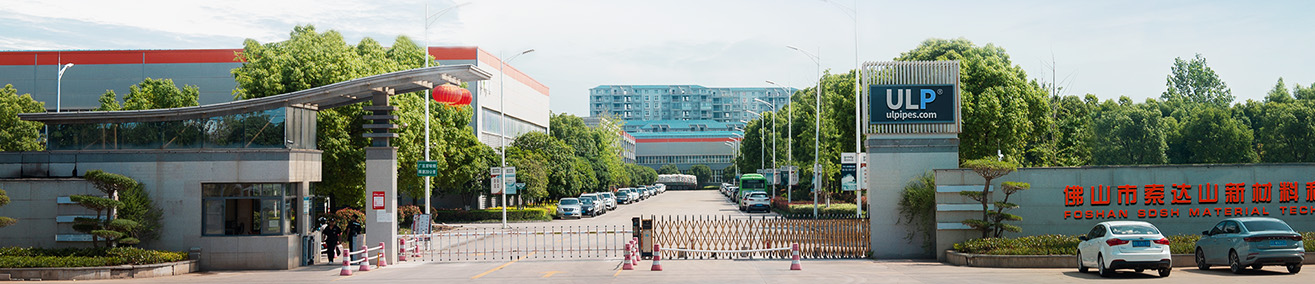
ULP operates an automated production facility of over 10,000 m², supported by experienced staff and a professional QA team. With more than 100 employees, ULP delivers high-volume production with stable output and strict quality control.
This single-source approach—one-stop pipe system solution provider—is valuable in real-world projects. Instead of juggling multiple suppliers, contractors can order conduit, fittings, joints, accessories, and packaging from the same manufacturer.
HDPE Electrical Conduit Manufacturer and Supplier
Practical Considerations When Choosing HDPE Electrical Conduit
Selecting conduit isn't just a size chart decision. Engineers weigh environmental conditions, installation method, and project lifecycle:
● Where will it run—below or above ground?
For direct burial, impact resistance and wall thickness matter more.
● What cables are being protected?
Power cables generate heat; fiber cables require low-friction routing.
● Is there risk of external pressure?
Road crossings, industrial facilities, and substations may require thicker walls or deeper burial.
● Does the project require coded coloring?
Fiber optic ducts often use blue or orange; municipal electrical lines may be yellow or red depending on country.
● Longevity and warranty expectations
HDPE is chosen for decades-long lifespan.
When sourcing conduit systems, factory-level expertise saves a project from costly mid-installation failures. With our competitive pricing, technical support, and material certifications, ULP is a reliable choice for international distributors and engineering contractors.
Conclusion: Why HDPE Electrical Conduits and ULP?
HDPE electrical conduit stands at the intersection of safety, durability, and practicality. Its flexibility allows long continuous runs; its resistance to corrosion and UV keeps projects functioning; its customization makes it ideal for everything from residential wiring to large-scale fiber networks. When selecting a manufacturer, consistency and professional support matter just as much as material science.
That is where ULP has carved its reputation. With more than 15 years of pipe and fittings manufacturing experience, automated production, and international-standard compliance, ULP offers a dependable, one-stop solution for plastic conduit systems. Whether your project needs OEM customization, special colors, branded packaging, or bulk production, ULP ensures the quality, speed, and service that modern infrastructure demands.