
Why Engineers Are Moving to UPVC Pipe
Categories:PVC Pipe and Fitting Author: author
When purchasing PVC pipes, many people mistakenly assume they are the same product as UPVC pipes. Although the two bear a visual resemblance, their fundamental differences can lead to substantial repair costs down the line. Selecting the wrong type of piping not only compromises safety but also significantly drives up long-term operational costs. Consequently, UPVC has now emerged as the preferred material for modern piping systems.
Material Composition
PVC contains plasticizers. These additives make it soft and bendable. Flexibility is useful for hoses and cables. It is not designed for pressure piping. Over time, heat and stress can weaken PVC. Pipes may deform or lose shape. Long-term stability is limited.
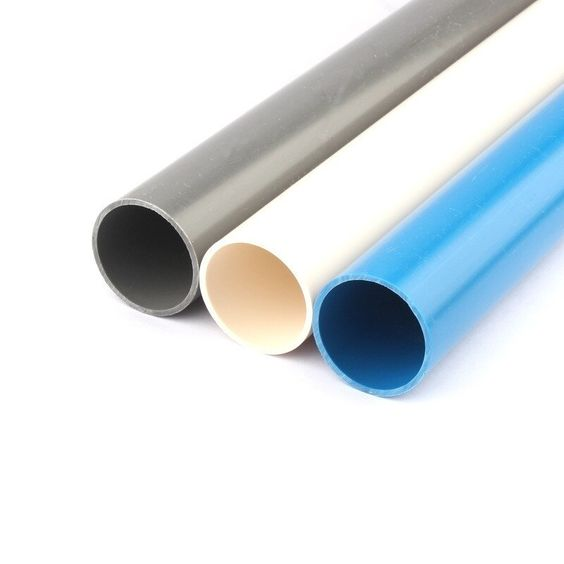
UPVC is unplasticized. No plasticizers are added. The molecular structure is dense and strong. Pipes stay rigid under pressure and heat. Long-term performance is predictable. UPVC behaves like a structural material. It is suitable for high-rise buildings, municipal networks, and long-lasting plumbing systems. Ulp Pipes like the UPVC Water Supply Pipe keep their shape even under high pressure and heat.
Pressure Performance
PVC pipes bend and flex easily. That works for some things, but not for water under pressure. In high-rise buildings, vertical pipes feel the stress. Sudden bursts or long-term pressure can cause leaks or deformed pipes. Underground networks are at risk too.
UPVC pipes stay rigid. They keep their shape even under high pressure. Water flows smoothly without worrying about leaks. High-rise buildings and long pipelines stay safe. ULP Pipes hold up over time, no surprises.
Long-Term Stability
PVC pipes look fine at first. But over years of constant water pressure, they start to bend slightly. The pipe diameter can shrink or expand. Joints may loosen. Flow slows down, and leaks become more likely.
UPVC pipes holds its shape. Even after decades of pressure, the pipes don’t sag or warp. Connections stay tight. Water flows consistently. You don’t have to worry about unexpected repairs. It’s a pipe you can trust for the long haul.ULP Pipes like the PVC-U Schedule 80 Water Pipe resist deformation even under constant pressure.
Corrosion Resistance and Lifespan
PVC pipes can corrode over time. Metal fittings and underground soil sometimes react with the plastic. Scale and rough spots may form inside. Water flow slows down. Repairs or replacements happen sooner than expected.
UPVC pipes doesn’t corrode. It handles soil, chemicals, and salty air without a problem. The inside stays smooth, keeping water flowing easily. Systems can last 50 years or more. Less maintenance. Fewer surprises. Ulp pipes are a kind of pipes that you can install and forget about.
Weather and Temperature Stability
PVC softens under heat. Direct sunlight can make it brittle over time. Outdoor installations may crack or warp. Hot climates and rooftops are risky for long-term use.
UPVC stands up to sun and heat. Pipes stay rigid even in strong sunlight. Temperature changes don’t affect shape or performance. Rooftop systems, outdoor irrigation, and hot regions all work well with UPVC. It’s a material built to handle the elements without trouble.
Outdoor systems, rooftops, and irrigation pipelines stay intact with UPVC Schedule 40 Water Pipe
Health and Safety
PVC contains plasticizers. Some can slowly leach into water, especially if pipes carry hot water. That can affect taste and, in some cases, health. PVC can burn easily. In a fire, it produces thick smoke and strong fumes. That’s a concern in crowded buildings or underground conduits.
UPVC pipes has no plasticizers. Drinking water stays clean and safe. The material resists fire. Flames don’t spread easily. Smoke is minimal and non-toxic. It meets standards for plumbing and electrical conduits. Families, offices, and schools can rely on it without worry. ULP Pipes protect your safety everywhere in life.
Installation and Construction
PVC is lightweight and flexible. That makes it easy to carry and bend around corners. But pipes may not stay perfectly straight. Fittings can loosen if installation isn’t precise. Over long runs or in high-rise buildings, extra support is often needed. Mistakes can lead to leaks, extra labor, and more maintenance.
UPVC is rigid but still light enough to handle easily. Installers can snap UPVC Schedule 40 Water Pipe into place with confidence. Installation takes less time, fewer corrections, and fewer surprises. For contractors and engineers, this means lower labor costs and happier clients.
Cost
PVC pipes are cheaper upfront. That makes them tempting for small projects or short-term use. But repairs and replacements add up over time. Leaks, deformation, or joint failures mean extra labor and materials.
UPVC may cost a bit more at purchase. The pipes last longer and need less maintenance. Fewer repairs, fewer replacements, and lower labor requirements save money over the years. For long-term projects, commercial buildings, or municipal systems, UPVC is often more cost-effective. ULP Pipes are undoubtedly a wise choice.
PVC vs UPVC: Quick Comparison
|
Feature |
PVC |
UPVC |
|
Material |
Soft, contains plasticizers |
Rigid, no plasticizers |
|
Pressure |
Weak under high pressure |
Strong and stable |
|
Stability |
Can warp or sag |
Keeps shape over time |
|
Corrosion |
Can corrode, short lifespan |
Corrosion-resistant, lasts 50+ years |
|
Weather |
Softens in heat, brittle in sun |
Handles heat and sun well |
|
Safety |
May leach chemicals, burns easily |
Safe for water, fire-resistant |
|
Installation |
Flexible but tricky |
Easy, secure, fast |
|
Cost |
Cheap upfront, high long-term |
Slightly higher upfront, saves over time |
Where UPVC Shines(标题二)
UPVC works well in almost every piping situation. It handles pressure, heat, and outdoor conditions without problems, making it a safer and longer-lasting choice than PVC.
- Building Plumbing
PVC can sag or leak in high-rise plumbing. UPVC stays rigid, joints stay tight, and water flows smoothly over decades.
- Municipal Water Supply
PVC struggles in long-distance pipelines. UPVC maintains shape and strength, reducing repairs and ensuring reliable water delivery.
- Electrical Conduits
PVC bends easily but can crack over time. UPVC is fire-resistant and durable, keeping wiring safe underground or indoors.
- Agriculture and Irrigation
PVC works for small gardens but fails under pressure changes. UPVC handles long irrigation runs, sun exposure, and rough soil without problems.
- Industrial Applications
PVC deforms under heat or chemicals. UPVC resists stress and corrosion, making it ideal for industrial fluid transfer.
Why Choose ULP
Selecting the right pipes is only part of the solution. A trusted supplier makes installation, performance, and long-term maintenance easier. ULP offers complete plastic piping systems, including UPVC pipes and fittings. Their products meet high standards for strength, durability, and safety.
With ULP, builders, engineers, and homeowners get reliable materials and expert support. Whether it’s high-rise plumbing, municipal networks, irrigation, or industrial systems, ULP provides solutions that last decades. Choosing UPVC pipes is smart. Choosing ULP Pipes ensures your system works as it should, without surprises.