

Making the Right Choice for Your Electrical Conduit Installation
Categories:PVC Pipe and Fitting Author: author
Picking the right conduit is tricky. The wrong choice can slow down work, add costs, or cause safety problems. Pipe thickness, material, and type affect how cables go in. Heavy cables can rub through weak pipes. Spots that take hits need stronger conduits. Understanding the differences between types makes electrical conduit installation easier and more reliable. Using high-quality UPVC electrical conduit simplifies selection and keeps installations safe and smooth.
English Version – UPVC Electrical Conduit Overview
UPVC electrical conduit come in different types and sizes. Choosing the correct conduit ensures safer and faster electrical conduit installation. SCH40 is lighter. SCH80 is thicker and stronger. Type EB is built to resist impact. Type A is rigid. The DB series has several options. DB60 is cost-effective. DB100 handles moderate loads. DB120 is heavy-duty. Each type has its own wall thickness, pressure rating, and durability. Picking the right one affects how smooth your electrical conduit installation will be.
SCH40 vs SCH80
- Light and easy to handle.
- Works well for indoor wiring in homes and low-risk areas.
- Suitable for projects where cables are short and loads are moderate.
- Cost-effective and widely available, popular for residential electrical conduit installation.
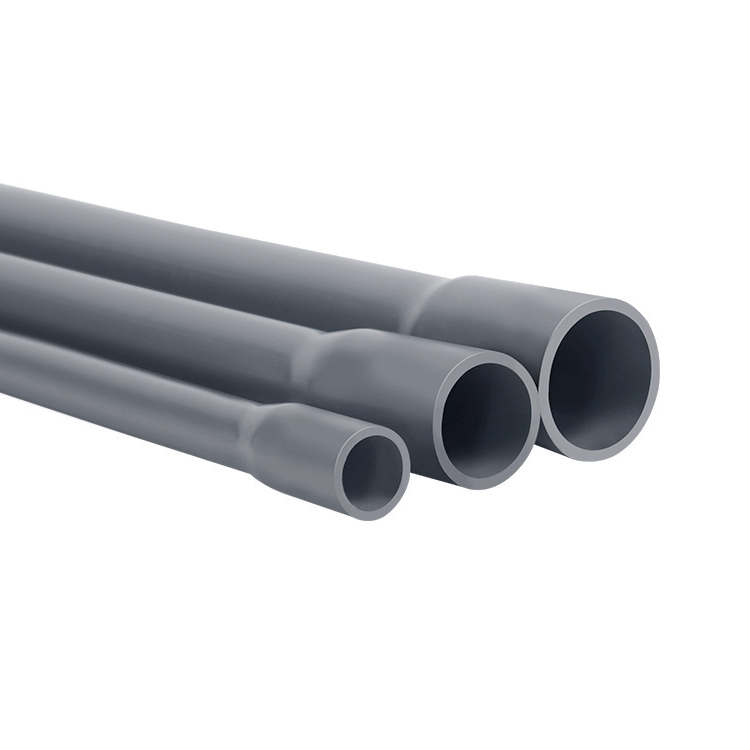
SCH80
- Thicker walls provide higher impact resistance.
- Can handle heavy loads and long cable runs.
- Required in exposed areas to meet NEC rules.
- Reduces risk of pipe damage during cable pulling and prevents accidental cracks.
- Ideal for commercial and industrial projects where durability is critical.
SCH40/80 Quick Comparison Table
|
Feature |
SCH40 |
SCH80 |
|
Wall Thickness |
Light |
Thick |
|
Strength |
Moderate |
High |
|
Impact Resistance |
Low |
High |
|
Best Use |
Indoor, low-risk areas |
Exposed areas, industrial/commercial |
|
Cable Handling |
Short runs, moderate load |
Heavy cables, long runs |
|
Cost |
Low, cost-effective |
Higher per foot |
|
NEC Compliance |
Suitable for low-risk areas |
Required for exposed/impact areas |
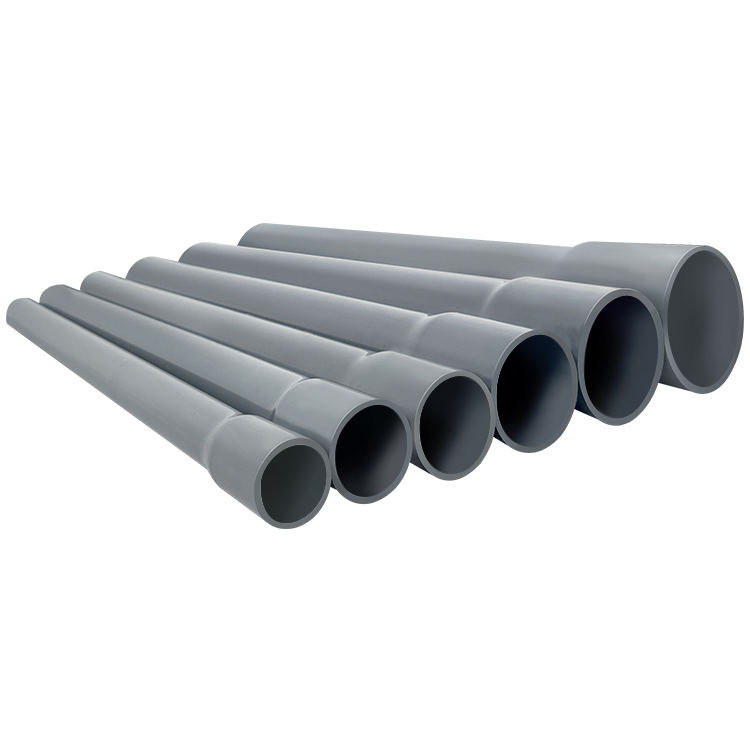
Type EB vs Type A
- Designed to resist impact and rough handling.
- Best choice for underground or exposed outdoor installations.
- Protects cables in harsh environments, like construction sites or mechanical rooms.
- Helps make electrical conduit installation safer in tough conditions.
Type A
- Rigid and strong.
- Suitable for general building wiring where pipes are hidden.
- Good for areas with low physical risk but need stable support.
- Installation is straightforward and requires minimal extra support.
Type EB/A Quick Comparison Table
|
Feature |
Type EB |
Type A |
|
Rigidity |
Strong |
Strong |
|
Impact Resistance |
High |
Moderate |
|
Best Use |
Underground, exposed locations |
General building wiring, hidden areas |
|
Environmental Protection |
Harsh conditions |
Low-risk areas |
|
Installation |
Requires careful handling |
Easy, minimal extra support |
DB Series
DB60
- Basic, economical option for residential projects.
- Works for light loads and hidden installations.
- Easy to cut and install, reducing labor time.
DB100
- Handles medium loads, suitable for commercial buildings.
- Can carry multiple cables without risk of pipe deformation.
- Offers a balance between cost, strength, and ease of installation.
DB120
- Heavy-duty conduit for industrial and infrastructure projects.
- Prevents cables from rubbing through during long pulls (“burn-through” protection).
- May cost more per foot but reduces total labor and installation time.
- Often eliminates the need for concrete encasement.
- Ideal for heavy cables, long runs, and high-traffic or exposed areas.
- Essential for smooth electrical conduit installation in demanding projects.
DB Series Quick Comparison Table
|
Feature |
DB60 |
DB100 |
DB120 |
|
Strength |
Basic |
Medium |
Heavy-duty |
|
Load Capacity |
Light |
Medium |
Heavy |
|
Cable Protection |
Standard |
Standard |
Burn-through prevention |
|
Best Use |
Residential, hidden |
Commercial, moderate cables |
Industrial, long-distance, heavy cables |
|
Installation |
Easy, cost-effective |
Balanced strength and cost |
Reduces labor, may skip concrete encasement |
|
Cost |
Low |
Moderate |
Higher per foot |
Key Factors for Choosing Conduits
Selecting the right conduit requires looking at the full picture. Many factors influence safety, efficiency, and cost. Understanding them helps make the right choice for each project and ensures smooth electrical conduit installation.
1.Load and Cable Type
Heavy cables can stress the conduit. Small or short runs aren’t a problem. Planning cable size and amount first keeps things neat and prevents damage.
2.Installation Environment
Where the conduit goes changes everything. Hidden walls or ceilings are easier to work with. Outdoor, underground, or exposed spots face knocks and weather. Picking the right protection makes future maintenance easier.
3.NEC Compliance
Some areas have strict codes. Exposed walls or high-traffic spots usually need sturdier conduit. Hidden or protected runs have more options. Following the rules keeps inspections smooth and avoids surprises.
4.Cable Pulling
Pulling cables can rub the pipe walls and cause wear. Short runs are easier. Knowing your pull length and weight helps protect both cables and conduit.
5.Material and Wall Thickness
Thicker walls last longer. Standard pipes work fine for low-risk areas. Heavier-duty pipes give extra peace of mind in exposed or busy spaces.
6.Cost Considerations
Strong pipes cost more upfront. But they save time and labor. Extra work like encasement or reinforcement might not be needed. Looking at total project cost is smarter than just checking the price per foot.
7.Project Type
Residential, office, commercial, and industrial spaces all have different needs. Matching conduit strength and type to the space makes electrical conduit installation smoother and reduces headaches later.
Application Scenarios and Conduit Selection
Different spaces call for different conduits. Picking the right model for each scenario keeps installations safe, smooth, and long-lasting. Using high-quality UPVC electrical conduit ensures reliability.
Residential Homes
Most homes run light loads. DB60 or SCH40 usually works well. They handle short runs and small cable bundles easily. Hidden walls or under floors are perfect for these models. Even if you have a few longer runs, these pipes are flexible enough to bend around corners without stress. Choosing the right pipe ensures cables stay safe without overbuilding.
Offices and Retail Spaces
Offices and shops see more traffic. Exposed areas or busy spots often need SCH80 or DB120. These pipes resist impact and keep cables safe. Long cable runs in ceilings or raised floors also benefit from heavier-duty pipes. Using SCH80 or DB120 here reduces maintenance and protects against accidental bumps from equipment or furniture moves.
Industrial Facilities
Factories and warehouses face heavy loads and rough environments. DB120 or SCH80 is the go-to choice. They protect cables from physical damage and handle long pulls without wear. Areas near machinery or forklifts especially benefit from thicker-walled conduits. Investing in the right model upfront prevents downtime and costly repairs.
Outdoor or Underground Runs
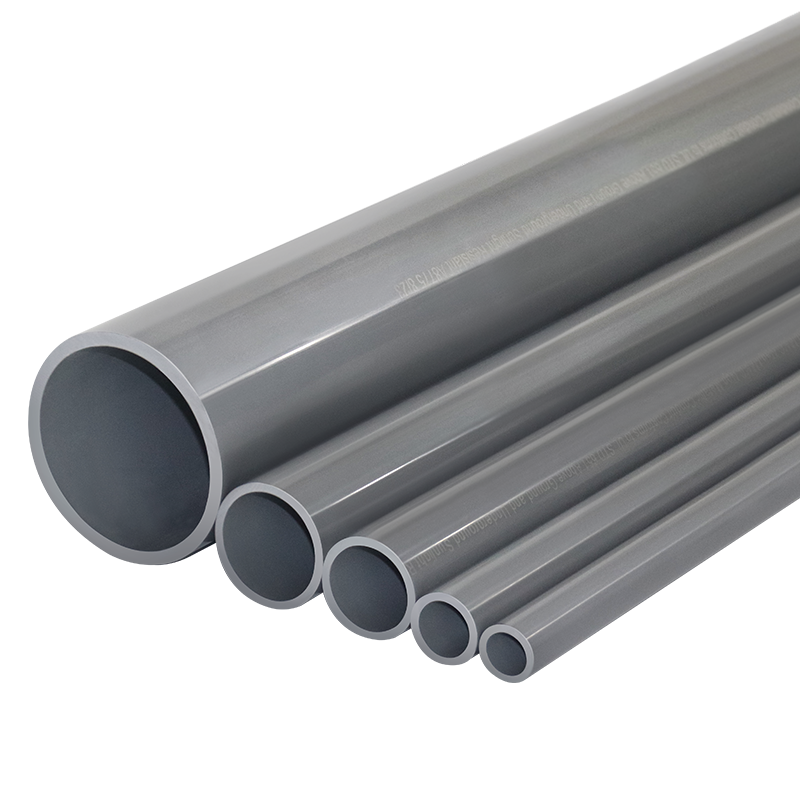
Pipes outside or underground need extra protection. SCH80 or DB120 can resist soil pressure, moisture, and accidental knocks. DB60 or SCH40 may work for protected trenches or short runs, but risk increases in open or high-traffic trenches. Proper conduit choice here keeps installations durable for years with minimal maintenance.
High-Traffic or Exposed Areas
Hallways, open ceilings, or public spaces see a lot of activity. SCH80 or DB120 keeps pipes safe from bumps and scratches. Using lighter models in these areas risks damage and costly repairs. Heavier-duty UPVC electrical conduit secures cables and reduces service interruptions.
Cable Pull-Heavy Runs
Long stretches of conduit with multiple heavy cables can wear through weaker pipes. ULP UPVC provides products built for these challenges. DB120 or SCH80 prevents burn-through and keeps cables intact. DB60 or SCH40 works for short, light pulls. Picking the right model protects cables, reduces friction, and makes installation safer for workers.
Parnering with ULP
When it comes to UPVC electric conduits, UPVC electrical conduit from ULP offers a full range of solutions. Each model is tested to meet safety and durability standards. UPVC electrical conduit products make electrical conduit installation easier, safer, and more reliable.
ULP has years of experience in pipe solutions. The company combines quality manufacturing, industry knowledge, and customer support. From planning to installation, ULP provides products that make work smoother and safer.